No items found.
10 mins

Retail employee experience: The differentiator you’re overlooking?

Value retailers routinely compete on price. But could EX be the CX lever that really impacts sales?

Amelia Burke
Published:
July 22, 2026
Last updated:
July 22, 2026
Retail employee experience: The differentiator you’re overlooking?
What we'll cover

Customers walking into a value or discount retailer have already made one decision: they want a good deal.

What they haven't decided yet is whether they'll pay a return visit.

Your competitor is selling the same products at the same price point, often on the same street. So the customer's decision gets made in store, in the moment, based on how that store feels.

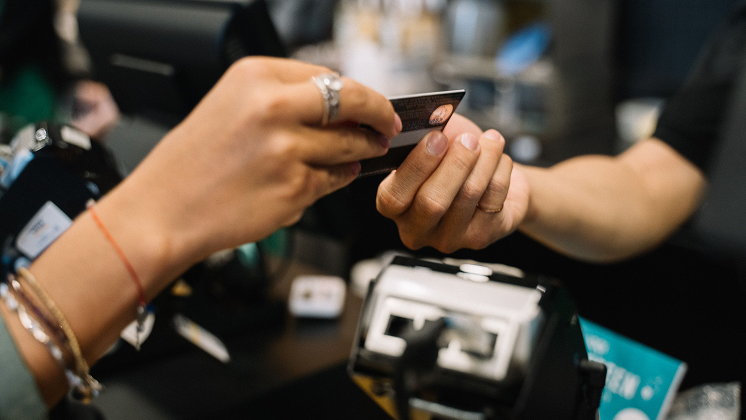
Does someone help them find what they need? Are the shelves neat and well-stocked? Is the checkout experience easy or frustrating?

The primary difference between two competing stores doesn't come down to layout or merchandising budget. Instead, it comes down to the store associates working there: how engaged they feel in their work and, as a result, how they make a customer feel.

The retailers who understand that connection between employee experience (EX) and customer experience (CX) are the ones building loyalty, in a sector where loyalty is notoriously hard to earn.

The EX=CX link in value retail

The link between EX and CX is well documented.

Engaged retail employees deliver better service > Better service drives high customer satisfaction > Higher satisfaction drives sales, larger basket sizes, and repeat visits

This translates into a significant commercial advantage over time.

Happy staff create happy customers, and vice versa. And in value retail, the relationship is amplified by the operating model.

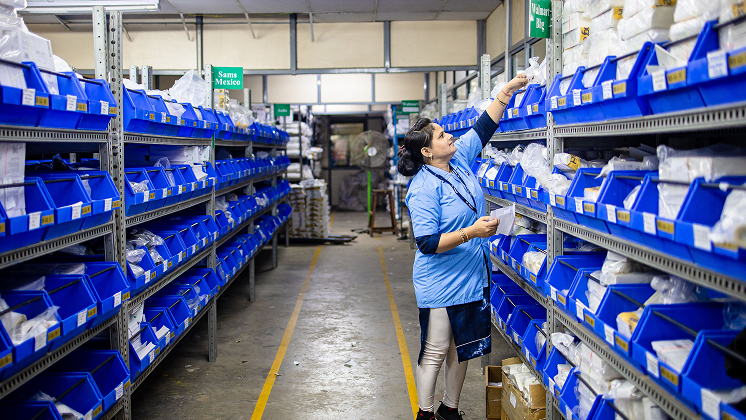
In value-focused stores, lean staffing is the norm. A handful of associates cover a store. There's no large team to absorb a difficult shift or to ensure the customer experience stays consistent regardless of individual morale.

When one associate is having a bad day, because their updated schedule didn't reach them on time, because they've been trying to answer a customer question about a promotion they weren't briefed on, because they haven't heard from their manager in three days, customers feel it directly.

There's no buffer. In value retail, the experience of store associates is mirrored in the experience of customers.

The impact of store associate engagement in numbers

The financial stakes of neglecting retail employee experience are significant. And impacts show up across the business.

Turnover costs. Retail staff turnover runs at around 42% in both the UK and the USA. And whether you're finding it easy or difficult to fill those vacancies, retail employee turnover costs are high. Losing a single frontline retail employee costs a retailer nearly $10,000.

Shrink, waste, and out-of-stocks. The bottom 25% of stores ranked by employee engagement record total losses of 5.6% of sales, from waste, shrink, out-of-stocks, and cash loss. That compares with a much lower 2.9% for the remaining 75% of stores.

Disengagement doesn't just affect how associates interact with customers. It affects the operational discipline that keeps stores running efficiently.

Absenteeism. Disengaged employees take more sick days, arrive late more often, and are harder to retain through peak periods, exactly when consistent store performance matters most. The cost of covering those gaps falls on remaining team members, which accelerates their disengagement and turnover.

Customer spend. Happy customers spend up to 140% more and return more often. McKinsey research shows that retailers with a top-quartile EX are more than twice as likely as those outside the top quartile to achieve a top-quartile CX. So your disengaged retail associates are harming basket value, repeat custom, and overall sales.

When teams are always getting up to speed, when stores are run inefficiently, and when absences and lateness are absorbed by already stretched teams, the customer experience and your sales suffer.

So why aren't retail associates more engaged?

Retail employee engagement relies on good internal communication, meaningful recognition, a genuine connection to company culture, and the tools and operational support to do the job well.

Most retailers understand this in principle. But there's often a gap when it comes to delivery.

Operational updates aren't reliable. Operational information, promotions, product recalls, and policy changes, routinely reaches the shop floor late, or not at all. Associates learn about a new offer from a customer asking about it at checkout, not from a pre-shift briefing. They're expected to represent the brand while being left out of the loop.

Frontline retail communication is broken. Most stores still depend on manager cascades, paper notices pinned to break room boards, and unofficial WhatsApp groups. Delivered in this way, messages are frequently distorted and delayed. So associates miss out on vital internal communications, including the recognition, company news, and two-way interaction that make them feel more invested in their work.

Associates feel disconnected from the organization. Working in a small store team, with limited links to leadership and little sense of how their role connects to company goals, many associates struggle to find meaning in their work. They also struggle to find their tribe. Working different shifts and schedules, it's hard to build the feeling of community that sustains engagement over time.

Schedules create stress before the shift even starts. Last-minute rota changes, limited ability to swap shifts, and inadequate notice of upcoming hours are persistent frustrations for frontline retail workers. When associates can't plan their personal lives around their schedule, resentment builds, and shows up on the store floor.

How to improve retail employee experience

The interventions that make the biggest difference to store associate engagement aren't complicated. It's all about making every associate reachable, recognized, connected, and equipped to do their job well, with the right mobile-first tools.

  • Reach everyone. Ensure company updates, operational briefings, and promotional information reach every associate, via smartphone, before their shift starts.
  • Recognize everyone. Make employees feel seen and valued by recognizing their hard work. Ensure recognition reaches all employees, not just those working the same shift as their manager.
  • Bring everyone together. Build official digital communities, places where staff can come together to share knowledge and support, even when their schedules don't align.
  • Give everyone the tools they need. We're talking self-serve access to schedules, swift swapping, payslips, policies, and operational guidance, all from a single mobile-first platform.

The power of listening to your retail frontline

If you really want to get to the core of employee disengagement, and what's holding your retail customer experience back, the fastest route to that insight is also the simplest.

Walk your stores. Not as a mystery shopper, but as part of a listening tour. Ask your retail associates: what's making your shift harder than it needs to be?

The answers associates give provide valuable insight into the state of frontline retail communication, your operational support, and your overall employee experience.

In budget retail, associates are the CX differentiator

Price is fixed. The product range is similar. The promotional calendar runs pretty much in sync with your competitors.

In this sector, the store associate is a valuable variable in the customer experience equation.

And the retailers pulling ahead aren't necessarily the ones spending more on marketing or merchandising. They're the ones who are investing in communication, recognition, and frontline-friendly tools.

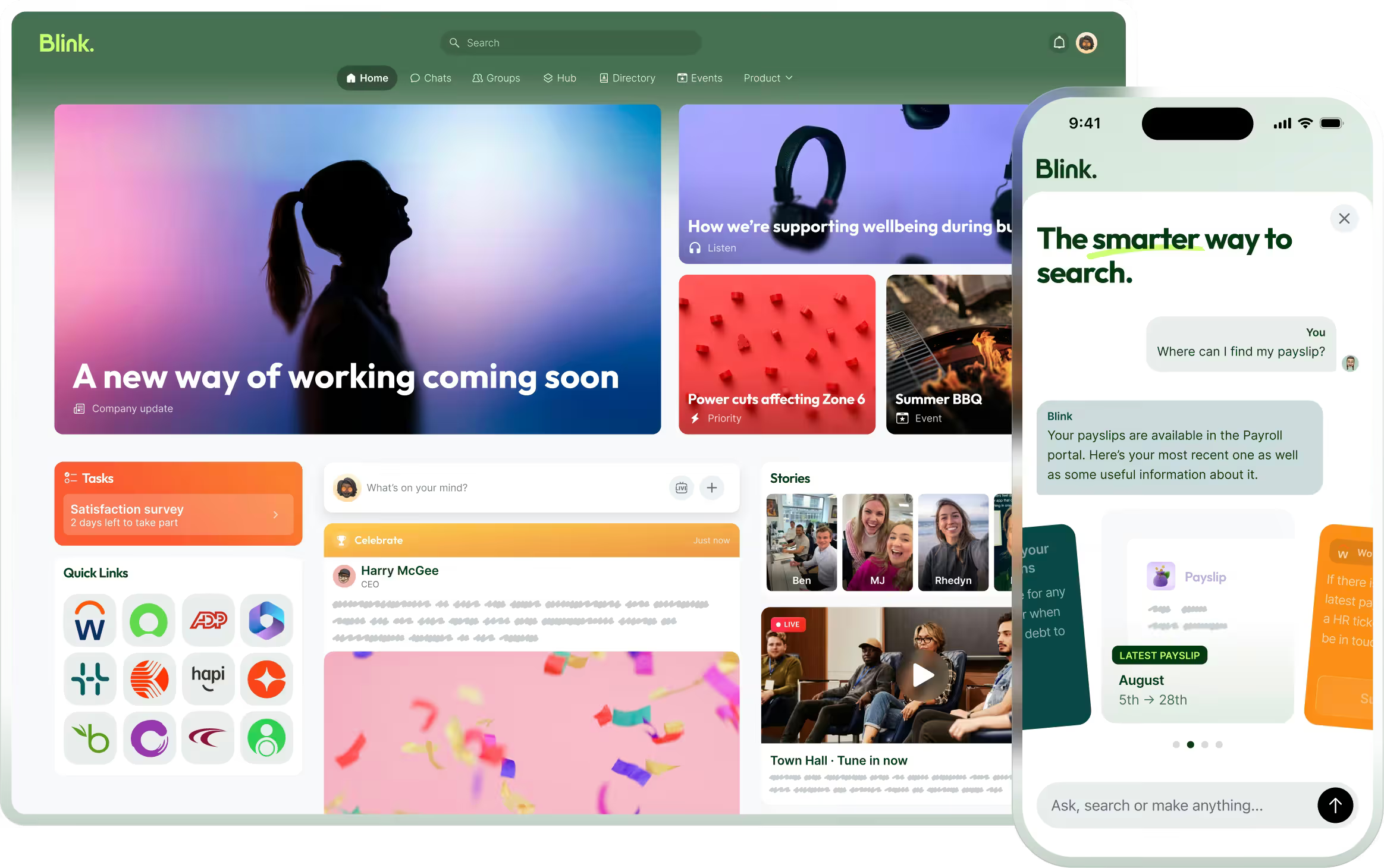
Blink's mobile-first employee experience app is helping retailers to boost both EX and CX. With a news feed, content hub, co-worker communities, chat tools, recognition, surveys, shift swap tools, and more, Blink has everything employers need to engage their frontline retail workforce.

Book a demo of Blink, and see how JD Group is using it to give frontline employees the EX they deserve.

Frequently asked questions

What is retail employee experience and why does it matter?

Retail employee experience refers to the sum of every interaction a store associate has with their organization, from onboarding and daily communication to scheduling, recognition, and career development.

It matters because in value retail, where price and product range are comparable across competitors, the quality of the in-store experience is determined by the people delivering it. Engaged retail associates deliver better service, make fewer operational errors, and stay longer, all of which have a direct impact on customer satisfaction and commercial performance.

How does store associate engagement affect the customer experience in retail?

McKinsey research shows that retailers with top-quartile employee experience are more than twice as likely to achieve top-quartile customer experience.

In value retail specifically, lean store staffing means there's no buffer between how associates feel and how customers experience the store.

A disengaged employee affects every customer interaction on that shift. An engaged one delivers the kind of service that drives higher basket value and repeat custom.

Why is frontline retail communication so difficult to get right?

Frontline retail communication is challenging when the right infrastructure isn't in place. Many stores still rely on paper notices, word-of-mouth messaging, and manager cascades. Information is often delayed or distorted, leaving store associates without the information they need to provide a five-star customer service.

Where organizations provide a mobile-first communication tool, accessible on employee smartphones without the need for a corporate email address, frontline communication improves.

How can technology improve store associate engagement?

A mobile-first employee platform gives every associate a direct channel to company updates, operational information, recognition, shift management tools, and two-way communication with their team and leadership, straight from their smartphones.

This removes the information gaps, schedule friction, and disconnection that drive frontline disengagement. Instead, associates feel informed, recognized, and supported.

Customers walking into a value or discount retailer have already made one decision: they want a good deal.

What they haven't decided yet is whether they'll pay a return visit.

Your competitor is selling the same products at the same price point, often on the same street. So the customer's decision gets made in store, in the moment, based on how that store feels.

Does someone help them find what they need? Are the shelves neat and well-stocked? Is the checkout experience easy or frustrating?

The primary difference between two competing stores doesn't come down to layout or merchandising budget. Instead, it comes down to the store associates working there: how engaged they feel in their work and, as a result, how they make a customer feel.

The retailers who understand that connection between employee experience (EX) and customer experience (CX) are the ones building loyalty, in a sector where loyalty is notoriously hard to earn.

The EX=CX link in value retail

The link between EX and CX is well documented.

Engaged retail employees deliver better service > Better service drives high customer satisfaction > Higher satisfaction drives sales, larger basket sizes, and repeat visits

This translates into a significant commercial advantage over time.

Happy staff create happy customers, and vice versa. And in value retail, the relationship is amplified by the operating model.

In value-focused stores, lean staffing is the norm. A handful of associates cover a store. There's no large team to absorb a difficult shift or to ensure the customer experience stays consistent regardless of individual morale.

When one associate is having a bad day, because their updated schedule didn't reach them on time, because they've been trying to answer a customer question about a promotion they weren't briefed on, because they haven't heard from their manager in three days, customers feel it directly.

There's no buffer. In value retail, the experience of store associates is mirrored in the experience of customers.

The impact of store associate engagement in numbers

The financial stakes of neglecting retail employee experience are significant. And impacts show up across the business.

Turnover costs. Retail staff turnover runs at around 42% in both the UK and the USA. And whether you're finding it easy or difficult to fill those vacancies, retail employee turnover costs are high. Losing a single frontline retail employee costs a retailer nearly $10,000.

Shrink, waste, and out-of-stocks. The bottom 25% of stores ranked by employee engagement record total losses of 5.6% of sales, from waste, shrink, out-of-stocks, and cash loss. That compares with a much lower 2.9% for the remaining 75% of stores.

Disengagement doesn't just affect how associates interact with customers. It affects the operational discipline that keeps stores running efficiently.

Absenteeism. Disengaged employees take more sick days, arrive late more often, and are harder to retain through peak periods, exactly when consistent store performance matters most. The cost of covering those gaps falls on remaining team members, which accelerates their disengagement and turnover.

Customer spend. Happy customers spend up to 140% more and return more often. McKinsey research shows that retailers with a top-quartile EX are more than twice as likely as those outside the top quartile to achieve a top-quartile CX. So your disengaged retail associates are harming basket value, repeat custom, and overall sales.

When teams are always getting up to speed, when stores are run inefficiently, and when absences and lateness are absorbed by already stretched teams, the customer experience and your sales suffer.

So why aren't retail associates more engaged?

Retail employee engagement relies on good internal communication, meaningful recognition, a genuine connection to company culture, and the tools and operational support to do the job well.

Most retailers understand this in principle. But there's often a gap when it comes to delivery.

Operational updates aren't reliable. Operational information, promotions, product recalls, and policy changes, routinely reaches the shop floor late, or not at all. Associates learn about a new offer from a customer asking about it at checkout, not from a pre-shift briefing. They're expected to represent the brand while being left out of the loop.

Frontline retail communication is broken. Most stores still depend on manager cascades, paper notices pinned to break room boards, and unofficial WhatsApp groups. Delivered in this way, messages are frequently distorted and delayed. So associates miss out on vital internal communications, including the recognition, company news, and two-way interaction that make them feel more invested in their work.

Associates feel disconnected from the organization. Working in a small store team, with limited links to leadership and little sense of how their role connects to company goals, many associates struggle to find meaning in their work. They also struggle to find their tribe. Working different shifts and schedules, it's hard to build the feeling of community that sustains engagement over time.

Schedules create stress before the shift even starts. Last-minute rota changes, limited ability to swap shifts, and inadequate notice of upcoming hours are persistent frustrations for frontline retail workers. When associates can't plan their personal lives around their schedule, resentment builds, and shows up on the store floor.

How to improve retail employee experience

The interventions that make the biggest difference to store associate engagement aren't complicated. It's all about making every associate reachable, recognized, connected, and equipped to do their job well, with the right mobile-first tools.

  • Reach everyone. Ensure company updates, operational briefings, and promotional information reach every associate, via smartphone, before their shift starts.
  • Recognize everyone. Make employees feel seen and valued by recognizing their hard work. Ensure recognition reaches all employees, not just those working the same shift as their manager.
  • Bring everyone together. Build official digital communities, places where staff can come together to share knowledge and support, even when their schedules don't align.
  • Give everyone the tools they need. We're talking self-serve access to schedules, swift swapping, payslips, policies, and operational guidance, all from a single mobile-first platform.

The power of listening to your retail frontline

If you really want to get to the core of employee disengagement, and what's holding your retail customer experience back, the fastest route to that insight is also the simplest.

Walk your stores. Not as a mystery shopper, but as part of a listening tour. Ask your retail associates: what's making your shift harder than it needs to be?

The answers associates give provide valuable insight into the state of frontline retail communication, your operational support, and your overall employee experience.

In budget retail, associates are the CX differentiator

Price is fixed. The product range is similar. The promotional calendar runs pretty much in sync with your competitors.

In this sector, the store associate is a valuable variable in the customer experience equation.

And the retailers pulling ahead aren't necessarily the ones spending more on marketing or merchandising. They're the ones who are investing in communication, recognition, and frontline-friendly tools.

Blink's mobile-first employee experience app is helping retailers to boost both EX and CX. With a news feed, content hub, co-worker communities, chat tools, recognition, surveys, shift swap tools, and more, Blink has everything employers need to engage their frontline retail workforce.

Book a demo of Blink, and see how JD Group is using it to give frontline employees the EX they deserve.
Frequently asked questions

What is retail employee experience and why does it matter?

Retail employee experience refers to the sum of every interaction a store associate has with their organization, from onboarding and daily communication to scheduling, recognition, and career development.

It matters because in value retail, where price and product range are comparable across competitors, the quality of the in-store experience is determined by the people delivering it. Engaged retail associates deliver better service, make fewer operational errors, and stay longer, all of which have a direct impact on customer satisfaction and commercial performance.

How does store associate engagement affect the customer experience in retail?

McKinsey research shows that retailers with top-quartile employee experience are more than twice as likely to achieve top-quartile customer experience.

In value retail specifically, lean store staffing means there's no buffer between how associates feel and how customers experience the store.

A disengaged employee affects every customer interaction on that shift. An engaged one delivers the kind of service that drives higher basket value and repeat custom.

Why is frontline retail communication so difficult to get right?

Frontline retail communication is challenging when the right infrastructure isn't in place. Many stores still rely on paper notices, word-of-mouth messaging, and manager cascades. Information is often delayed or distorted, leaving store associates without the information they need to provide a five-star customer service.

Where organizations provide a mobile-first communication tool, accessible on employee smartphones without the need for a corporate email address, frontline communication improves.

How can technology improve store associate engagement?

A mobile-first employee platform gives every associate a direct channel to company updates, operational information, recognition, shift management tools, and two-way communication with their team and leadership, straight from their smartphones.

This removes the information gaps, schedule friction, and disconnection that drive frontline disengagement. Instead, associates feel informed, recognized, and supported.

What we'll cover

Start your free trial today

See how Blink helps frontline teams stay connected, informed, and engaged.

Try Blink
What to read next?
No items found.

Related Blogs