No items found.
10 mins

EX=CX: The equation every restaurant operator needs to know

Why your guest experience problems are actually crew experience problems and what you can do to fix them.

Amelia Burke
Published:
July 6, 2026
Last updated:
July 6, 2026
EX=CX: The equation every restaurant operator needs to know

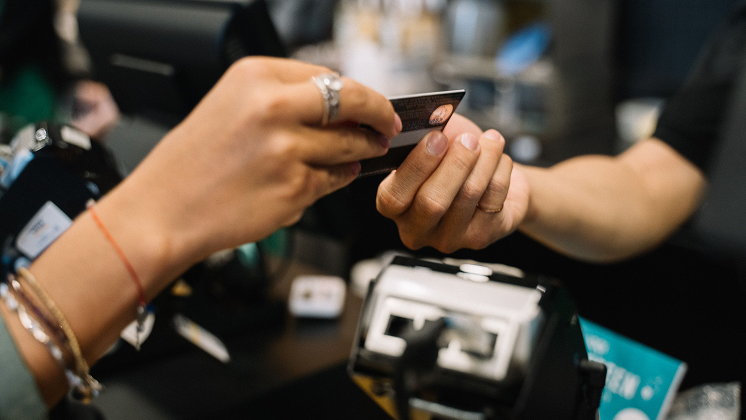
It’s 12.30pm on a Friday. Lunch rush.

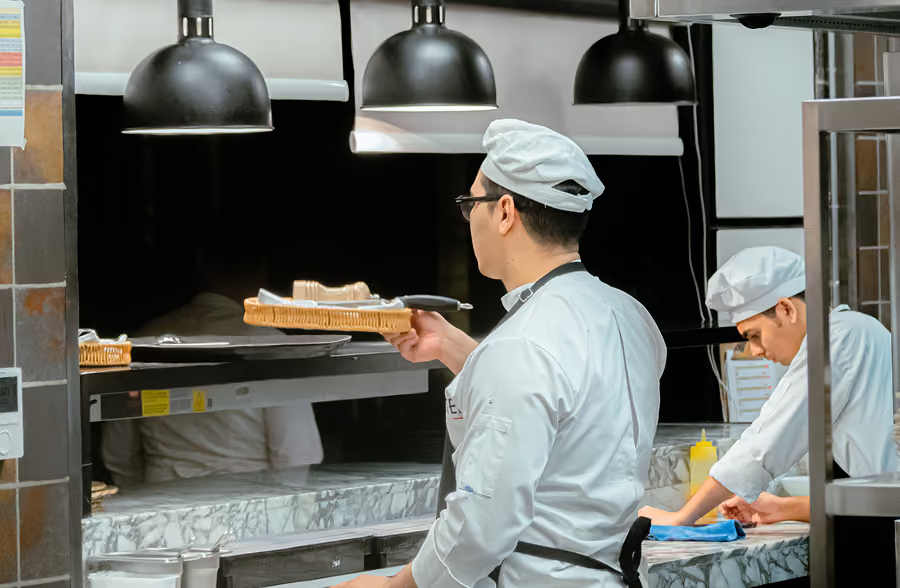
You’re two people down because the schedule change didn’t reach everyone in time. The crew members who showed up are stretched. Wait times are climbing. Order accuracy is slipping.

The customer at the counter can feel it. And so can the one in the drive-thru who’s been waiting four minutes longer than they should have.

This isn’t just a customer experience problem. It’s also an employee experience problem. And you can’t fix one without considering the other.

Ultimately, every guest-facing metric in restaurants: speed of service, order accuracy, friendliness, cleanliness — occurs downstream of employee experience.

The operators who understand that are the ones making meaningful progress on CX. The ones who don’t are stuck, trying to fix the symptom rather than the cause.

Employee experience in restaurants: What the numbers say

Restaurant employee turnover in the USA consistently exceeds 75%. This means that in a typical year, three in every four roles turn over at least once.

In limited-service restaurants, the figure is even higher. QSR employee turnover stands at an eye-watering 135%.

The average cost of losing just one of those employees comes in at around $5,864, factoring in recruitment, training, and the new hire productivity gap. And when faces change, and crews are never quite up to speed, customer experiences suffer, too.

But when employees are engaged and loyal, things move in the other direction. Highly engaged companies experience a 10% increase in customer loyalty and a 23% increase in profitability. 

The crew member who knows the menu, knows the regulars, knows how to handle a difficult situation during your lunchtime rush hour, and feels motivated to do so, is one of the most valuable assets in your organization.

Why restaurant employee engagement is lower than it needs to be

Most restaurant operators know engagement matters to customer experiences and profitability. But they don’t always have the infrastructure to deliver it. Here’s what’s going wrong.

Crew members are left out of the loop

Without a company email address, a laptop, or regular face time with anyone above their immediate manager, the deskless workforce has limited connection to HQ.

Company news, policy updates, and operational changes are communicated through noticeboards, manager word-of-mouth, and unofficial WhatsApp chats.

These channels are unreliable. So employees don’t get the information they need to do their jobs well, and engagement takes a hit.

Scheduling is a headache for everyone involved

Last-minute rota changes, limited ability to swap shifts, and inadequate advance notice of hours are among the most consistent sources of crew frustration.

When people can’t plan their lives around their schedule, you get absences, late arrivals, and a feeling of resentment that filters through to customer experiences.

Recognition doesn’t reach the frontline reliably

Over 64% of QSR workers say that more recognition from management would increase their engagement at work.

But recognition tends to flow toward those with the most visibility, such as senior staff and those working the same shift as the manager.

For the majority of the frontline restaurant workforce, good work goes largely unacknowledged.

Crew members struggle to make their voices heard

Frontline employees have a ton of insight to share.

They can tell you about operational points of friction, about the things real-life customers say, and about their own experiences working for your organization.

But they rarely have an easy way to voice their ideas and opinions.. Annual engagement surveys especially those that are difficult to complete on a smartphone, can leave crews feeling like their input isn't valued.

What leading restaurant operators are doing differently

Here’s what operators are doing to make meaningful progress on frontline employee engagement and customer experience in hospitality:

  • Prioritizing communication. Short, snappy, multimedia, personalized comms help keep busy employees in the loop. Crew members get to know about a new promotion, a menu change, or an operational update reliably and (crucially) before the customer does. So they can represent the brand with confidence.

  • Listening to crew and acting on what they hear. Crews need an easy, accessible route to share questions, ideas, and opinions. With quick-fire polls, regular surveys, and manager check-ins, you get both the operational insight and the engagement uplift that comes from employees feeling genuinely heard.

  • Supporting work-life balance. Giving crew members the ability to view their schedule, request shifts, and swap shifts with colleagues — straight from their smartphones — removes one of their biggest frustrations. When people have visibility and greater control over their working hours, engagement and attendance improve.

  • Enabling connection. Crew members are more likely to stay when they feel connected to their co-workers. But building connection isn’t easy when people work across different shift patterns. Digital communities and approved group chats — where crew can connect, support each other, and share knowledge — build a sense of belonging.

  • Providing recognition. Recognition that happens in the moment — a quick shout-out in the team chat, a peer nomination, a manager acknowledgement shared in the news feed — has a huge impact on employee engagement. The key is making it easy and visible, so it becomes part of everyday company culture.

Ready to make EX improvements? Here’s where to start

Pick any customer experience metric you’re trying to move this quarter and ask yourself what the crew experience equivalent is.

Average service time climbing? Ask what’s slowing the shift down and whether crew have the information and tools to run it efficiently.

Order accuracy dropping? Ask whether crew members are properly briefed on menu updates and whether training materials are accessible at the moment of need.

Customer satisfaction scores flat? Ask when crew last received recognition for good work and whether they feel informed, supported, and part of something bigger than themselves.

The CX metric tells you where the customer experience is breaking down. By asking the EX questions, you get closer to the why. And, if you want happy customers, this is where you should be focusing your attention.

Improving restaurant and QSR employee experience with Blink

{{dominos="/image"}}

Blink is a mobile-first employee experience platform built for the realities of frontline restaurant work where crew members don’t have company email, never sit at a desk, and need comms and tools that meet them where they are.

A single app gives every crew member access to company news, chat, shift scheduling, a content hub, and recognition, all from the smartphones already in their pockets.

Blink. And discover how Domino’s is using Blink to transform its employee experience.
Frequently asked questions

What is employee experience in restaurants and why does it matter?

Restaurant employee experience is the sum of every touchpoint a crew member encounters at work — communication, scheduling, recognition, training, co-worker relationships, and manager support.

It matters because in restaurants and in QSR, there’s no buffer between how the shift feels for the crew and how it feels for the customer. Guest metrics like speed of service, order accuracy, friendliness, and cleanliness are all impacted by crew experience.

Why is frontline employee engagement so difficult in QSR?

The structural challenges are significant. Most crew members don’t have a company email address or regular desktop access. So communications and operations are run through manager cascades, paper notices, and unofficial WhatsApp chats.

This means information and support don’t reach crew members reliably, and staff feel disconnected from co-workers and head office. 

Closing these gaps requires mobile-first tools designed for deskless, shift-based work.  

How can technology improve employee experience in restaurants?

A mobile-first employee platform gives every crew member direct access to operational updates, shift management tools, peer and manager recognition, training resources, and two-way communication — straight from their smartphones.

This closes the information and connection gaps that drive disengagement. It reduces scheduling friction. It also gives organizations the visibility to understand how engagement plays out across the entire site network, so it’s easier to make improvements.

It’s 12.30pm on a Friday. Lunch rush.

You’re two people down because the schedule change didn’t reach everyone in time. The crew members who showed up are stretched. Wait times are climbing. Order accuracy is slipping.

The customer at the counter can feel it. And so can the one in the drive-thru who’s been waiting four minutes longer than they should have.

This isn’t just a customer experience problem. It’s also an employee experience problem. And you can’t fix one without considering the other.

Ultimately, every guest-facing metric in restaurants: speed of service, order accuracy, friendliness, cleanliness — occurs downstream of employee experience.

The operators who understand that are the ones making meaningful progress on CX. The ones who don’t are stuck, trying to fix the symptom rather than the cause.

Employee experience in restaurants: What the numbers say

Restaurant employee turnover in the USA consistently exceeds 75%. This means that in a typical year, three in every four roles turn over at least once.

In limited-service restaurants, the figure is even higher. QSR employee turnover stands at an eye-watering 135%.

The average cost of losing just one of those employees comes in at around $5,864, factoring in recruitment, training, and the new hire productivity gap. And when faces change, and crews are never quite up to speed, customer experiences suffer, too.

But when employees are engaged and loyal, things move in the other direction. Highly engaged companies experience a 10% increase in customer loyalty and a 23% increase in profitability. 

The crew member who knows the menu, knows the regulars, knows how to handle a difficult situation during your lunchtime rush hour, and feels motivated to do so, is one of the most valuable assets in your organization.

Why restaurant employee engagement is lower than it needs to be

Most restaurant operators know engagement matters to customer experiences and profitability. But they don’t always have the infrastructure to deliver it. Here’s what’s going wrong.

Crew members are left out of the loop

Without a company email address, a laptop, or regular face time with anyone above their immediate manager, the deskless workforce has limited connection to HQ.

Company news, policy updates, and operational changes are communicated through noticeboards, manager word-of-mouth, and unofficial WhatsApp chats.

These channels are unreliable. So employees don’t get the information they need to do their jobs well, and engagement takes a hit.

Scheduling is a headache for everyone involved

Last-minute rota changes, limited ability to swap shifts, and inadequate advance notice of hours are among the most consistent sources of crew frustration.

When people can’t plan their lives around their schedule, you get absences, late arrivals, and a feeling of resentment that filters through to customer experiences.

Recognition doesn’t reach the frontline reliably

Over 64% of QSR workers say that more recognition from management would increase their engagement at work.

But recognition tends to flow toward those with the most visibility, such as senior staff and those working the same shift as the manager.

For the majority of the frontline restaurant workforce, good work goes largely unacknowledged.

Crew members struggle to make their voices heard

Frontline employees have a ton of insight to share.

They can tell you about operational points of friction, about the things real-life customers say, and about their own experiences working for your organization.

But they rarely have an easy way to voice their ideas and opinions.. Annual engagement surveys especially those that are difficult to complete on a smartphone, can leave crews feeling like their input isn't valued.

What leading restaurant operators are doing differently

Here’s what operators are doing to make meaningful progress on frontline employee engagement and customer experience in hospitality:

  • Prioritizing communication. Short, snappy, multimedia, personalized comms help keep busy employees in the loop. Crew members get to know about a new promotion, a menu change, or an operational update reliably and (crucially) before the customer does. So they can represent the brand with confidence.

  • Listening to crew and acting on what they hear. Crews need an easy, accessible route to share questions, ideas, and opinions. With quick-fire polls, regular surveys, and manager check-ins, you get both the operational insight and the engagement uplift that comes from employees feeling genuinely heard.

  • Supporting work-life balance. Giving crew members the ability to view their schedule, request shifts, and swap shifts with colleagues — straight from their smartphones — removes one of their biggest frustrations. When people have visibility and greater control over their working hours, engagement and attendance improve.

  • Enabling connection. Crew members are more likely to stay when they feel connected to their co-workers. But building connection isn’t easy when people work across different shift patterns. Digital communities and approved group chats — where crew can connect, support each other, and share knowledge — build a sense of belonging.

  • Providing recognition. Recognition that happens in the moment — a quick shout-out in the team chat, a peer nomination, a manager acknowledgement shared in the news feed — has a huge impact on employee engagement. The key is making it easy and visible, so it becomes part of everyday company culture.

Ready to make EX improvements? Here’s where to start

Pick any customer experience metric you’re trying to move this quarter and ask yourself what the crew experience equivalent is.

Average service time climbing? Ask what’s slowing the shift down and whether crew have the information and tools to run it efficiently.

Order accuracy dropping? Ask whether crew members are properly briefed on menu updates and whether training materials are accessible at the moment of need.

Customer satisfaction scores flat? Ask when crew last received recognition for good work and whether they feel informed, supported, and part of something bigger than themselves.

The CX metric tells you where the customer experience is breaking down. By asking the EX questions, you get closer to the why. And, if you want happy customers, this is where you should be focusing your attention.

Improving restaurant and QSR employee experience with Blink

{{dominos="/image"}}

Blink is a mobile-first employee experience platform built for the realities of frontline restaurant work where crew members don’t have company email, never sit at a desk, and need comms and tools that meet them where they are.

A single app gives every crew member access to company news, chat, shift scheduling, a content hub, and recognition, all from the smartphones already in their pockets.

Blink. And discover how Domino’s is using Blink to transform its employee experience.

Frequently asked questions

What is employee experience in restaurants and why does it matter?

Restaurant employee experience is the sum of every touchpoint a crew member encounters at work — communication, scheduling, recognition, training, co-worker relationships, and manager support.

It matters because in restaurants and in QSR, there’s no buffer between how the shift feels for the crew and how it feels for the customer. Guest metrics like speed of service, order accuracy, friendliness, and cleanliness are all impacted by crew experience.

Why is frontline employee engagement so difficult in QSR?

The structural challenges are significant. Most crew members don’t have a company email address or regular desktop access. So communications and operations are run through manager cascades, paper notices, and unofficial WhatsApp chats.

This means information and support don’t reach crew members reliably, and staff feel disconnected from co-workers and head office. 

Closing these gaps requires mobile-first tools designed for deskless, shift-based work.  

How can technology improve employee experience in restaurants?

A mobile-first employee platform gives every crew member direct access to operational updates, shift management tools, peer and manager recognition, training resources, and two-way communication — straight from their smartphones.

This closes the information and connection gaps that drive disengagement. It reduces scheduling friction. It also gives organizations the visibility to understand how engagement plays out across the entire site network, so it’s easier to make improvements.

Start your free trial today

See how Blink helps frontline teams stay connected, informed, and engaged.

Try Blink
What to read next?
No items found.

Related Blogs