A decision gets made in the head office: new seasonal displays, a staffing pattern change, a new policy about customer returns. An email goes out to store managers. A call happens. A memo gets printed and posted somewhere in the back.
By the time an associate working the floor Friday night hears about it, the message has been filtered through five people, been misunderstood once, and arrived in whatever form the store manager's handwriting allows. If the associate hears about it at all.
That gap between what the company decides and what the frontline actually knows is where retail engagement dies.
The store floor is where retail happens, not the office
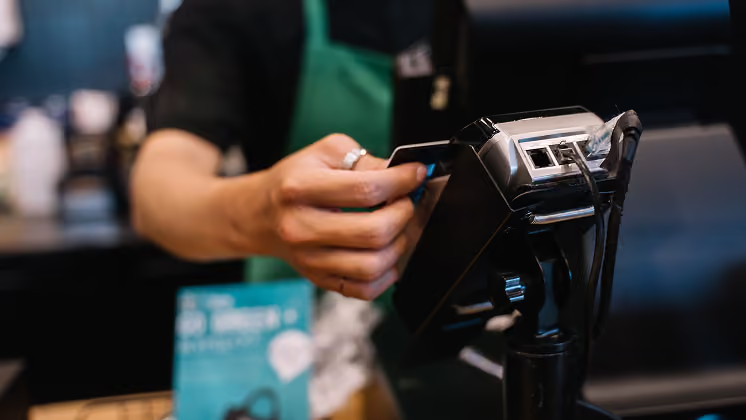
An associate on the sales floor is where the customer experience actually lives. Whether they know about a sale, a policy change, a new product, or a staffing decision directly affects whether the customer gets good service. But communication tools are built for office workers, and store workers don't work in an office.
They work under fluorescent lights, in the middle of a shift, with a phone that's mostly prohibited and a schedule that changes weekly. Communication that doesn't meet them there isn't communication—it's noise.
Seasonal hiring is a retention and communication problem
Black Friday hiring adds hundreds of temporary workers. Integration happens in a day or two. Training is whoever's available. The permanent staff already feels overwhelmed. The seasonal staff never really knows how things work.
The retailers who win during peak season have made a decision: every person, whether they're here for two weeks or two years, gets onboarded with structure, understands the policies, and knows who to ask when something's unclear. That reduces shrink, improves service, and makes seasonal staff feel like they're part of something, not just warm bodies on the sales floor.
Turnover in retail is partly a communication problem
Associates leave retail because the work is undervalued, the pay is low, and the hours are unpredictable. That's the usual story. But a part of it is simpler: they never felt connected to the organization. They were doing tasks nobody explained, following policies they didn't understand, working for a store they didn't feel part of.
A retail operation where associates understand what's happening, can get questions answered, and feel like their shift matters to something bigger—that's retention without raising prices. That's engagement.