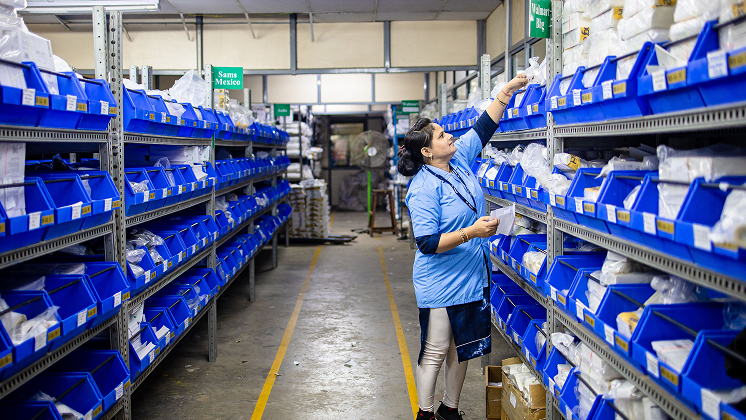
Most employee engagement advice assumes everyone has a desk, a company inbox, and a manager who sees them every day. Walk onto a warehouse floor and none of that is true. People clock in at different times, work three shifts that barely overlap, and might never meet the person doing the same job twelve hours later. Engagement ideas built for office teams just don't survive contact with a warehouse.
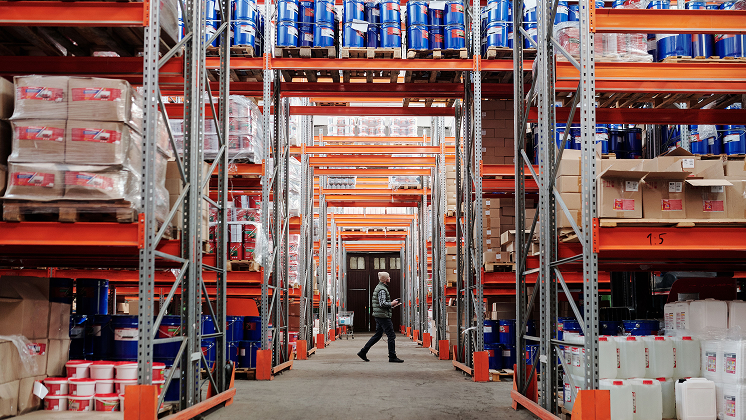
Picture a 200-person distribution center running days, nights, and a weekend shift. The morning huddle covers safety reminders and shift priorities, but the people who read it out loud won't be there for the afternoon crew, so the message either gets repeated badly or skipped. HR sends a benefits update by email, except half the roster never had a company email address to begin with. By the time anything meant to build morale reaches the floor, it's stale, garbled, or gone.
Why generic engagement ideas fall flat in a warehouse
Posters in the break room and an occasional pizza party aren't engagement strategies, they're one-off gestures. They don't reach the night shift, they don't survive turnover in the supervisor role, and they don't tell you anything about whether people actually feel connected to the work. Real engagement needs a channel that every associate can reach from their own phone, on their own schedule, without waiting for someone to relay it secondhand.
Recognition that reaches every shift, not just the one someone remembers
A digital recognition feed that any team lead can post to, and any associate can see from their phone between picks, means a night-shift forklift operator gets the same visibility as the person who happens to work when the manager is around. Recognition that depends on who's in the room isn't recognition, it's luck.
Make onboarding the first engagement win
Warehouses hire in bursts, especially heading into peak season, and a new associate's first week decides a lot about whether they stick around. If day one is a stack of paper forms and a rushed walkthrough, engagement is already lost before the job starts. Giving new hires a simple app to complete onboarding steps, meet their team, and know who to ask for help turns a chaotic first shift into a smoother one, and it's far cheaper than replacing someone who quit in week two.
Give people a way to be heard, not just talked at
Most warehouse communication runs one direction: management to floor. A quick pulse survey or a simple way to flag a safety concern or a broken process changes that. It doesn't need to be complicated. It needs to exist, and it needs to be easy enough that someone on their feet for ten hours will actually use it. Warehouse and distribution associates who feel like their input goes somewhere are the ones who stay past their first ninety days.
See how Blink helps logistics and distribution teams build real engagement across every shift on the Blink for logistics page, or book a demo.