
Best employee recognition software for frontline teams
Employee recognition software is a platform that lets managers and peers publicly acknowledge good work, tying that acknowledgment to points, rewards, or simple visibility. Engagement gaps show up hardest among workers who don't sit at a desk, and recognition is one of the clearest examples: most platforms are built around a profile tied to a company email, which is exactly the thing a large share of frontline staff don't have. The honest gap in most buying guides is that they rank every platform against the same checklist, built for a Slack-using, desk-based team, and then apply that same checklist to a distributed call center or a retail chain where most staff never get a company login. This guide compares eight recognition platforms specifically on how they perform for a workforce that's mostly frontline: retail associates, drivers, nurses, warehouse staff, people who carry a personal phone, not a company laptop.
If most of your headcount doesn't have a company email address, that single fact should decide a lot of this shortlist before you even look at features.
Two types of recognition software, and most frontline teams need both
Recognition software splits into two categories: peer visibility tools and rewards platforms, and they solve different problems. Peer recognition tools make appreciation public: a shout-out in a shared feed that the whole team can see, comment on, and react to. Rewards platforms attach a transactional layer on top: points that accumulate, a catalog of gift cards or merchandise, and a redemption flow, often tied into payroll or finance reporting.
For a frontline workforce, visibility usually matters more than the catalog. A warehouse associate who gets publicly thanked in a feed her whole shift can see builds more daily momentum than a points balance she has to log into a separate portal to check. Rewards programs still have a place, service milestones, annual recognition events, incentive campaigns, but they work best as an occasional layer on top of a recognition habit that's already visible day to day. The employee recognition and appreciation guide goes deeper on building that habit, and the broader employee engagement software roundup covers where recognition fits alongside surveys, comms, and other engagement tools. This piece focuses on choosing the recognition software itself.
Compare the best employee recognition software for frontline teams
No pricing is listed below. Every vendor here gates features by tier and most require a scoped quote once you're past a small team, so the only reliable number is the one your rep gives you for your headcount.
{{blink-table:table-1}}
8 best employee recognition software platforms, compared
1. Blink
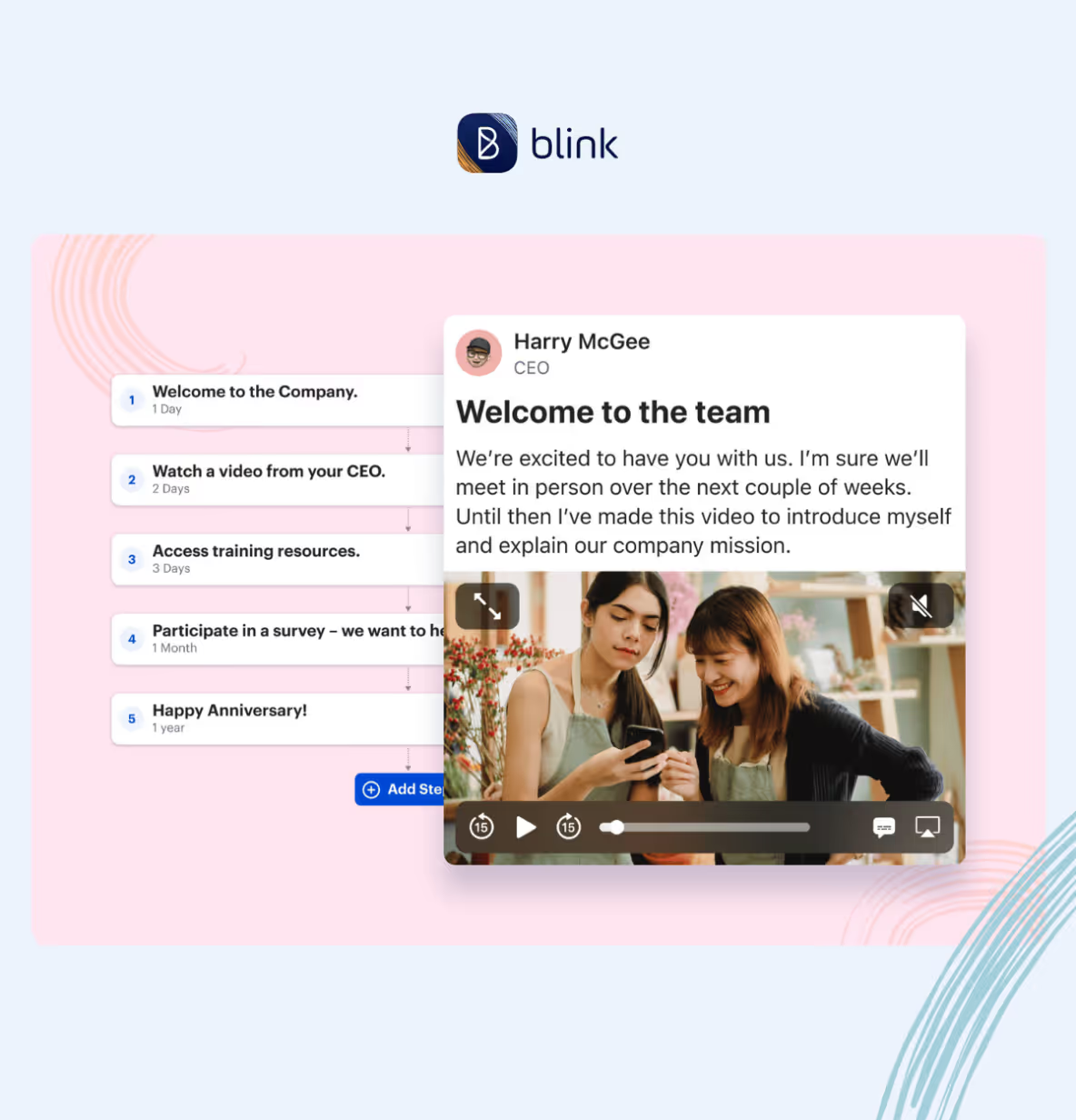
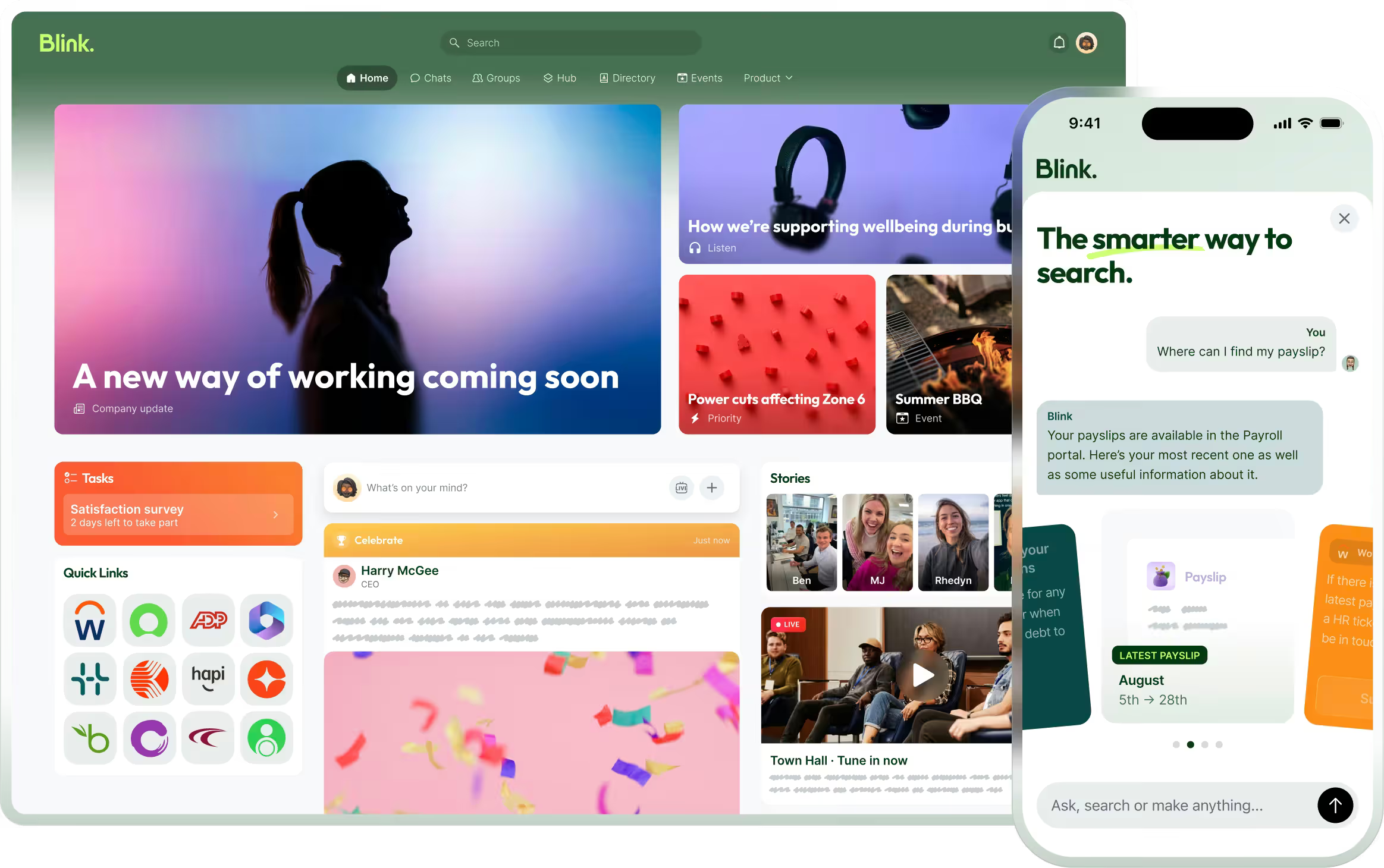
Blink is a mobile-first employee app with native peer-to-peer recognition built into the same feed your team already uses for shift updates and company news. Blink's colleague recognition feature, known internally as Kudos, lets managers and peers post a recognition moment that appears in the shared newsfeed, tagged against custom award types your organization defines, visible to the whole team rather than locked inside a separate portal. Recognition works the same way the rest of the app does: on a personal phone, with no desktop login required.
The honest gap: Blink doesn't have a native paid points-and-rewards catalog, the kind where recognition converts into redeemable gift cards or merchandise through Blink itself. For teams that want that transactional layer, Blink connects to dedicated rewards platforms including Reward Gateway and Perkbox through its integrations library, so the rewards catalog and payroll-linked redemption stay where they already work well, while the daily recognition habit lives inside the same app your frontline uses every shift.
2. Workhuman
Workhuman positions itself as a dedicated social recognition platform built for large, global enterprises. Workhuman's own platform page describes integrations with Microsoft Teams, Outlook, Slack, and Workday that let employees nominate colleagues for recognition without leaving the apps they already work in, plus a Program Administrator hub for award management, spend control, and misuse detection.
Workhuman is squarely enterprise-oriented, with case studies from companies like Merck, Cisco, and LinkedIn featured on its own site. For a frontline-heavy workforce, the integrations with Teams and Outlook carry less weight if most of your employees don't hold those licenses in the first place.
3. Achievers
Achievers is a recognition and rewards platform positioned around points-based peer recognition embedded directly into Workday. Achievers markets its platform around three branded modules, Recognize, Reward, and Celebrate, and leans heavily on its Workday integration as a differentiator for enterprise HR teams already standardized on that HRIS.
If Workday is your system of record and most of your workforce already has Workday access, Achievers' embedded model is worth evaluating closely. Where a meaningful share of your team sits outside that system, the integration advantage doesn't reach them, and Achievers isn't the pick for that part of your workforce.
4. Bonusly
Bonusly is a points-based peer recognition and rewards platform aimed primarily at SMB and mid-market teams. Bonusly's own homepage states the product is used by more than 3,400 organizations, and that recognition, rewards, check-ins, and celebrations all live in one platform, with native integrations into Slack and Microsoft Teams.
Bonusly's strength is simplicity: giving a shout-out and a small point allocation takes seconds, and that habit tends to stick with office-based teams who are already living in Slack. The dependency on Slack and Teams as primary access points is the catch for frontline use, since workers without a seat in either platform need a separate login path. Pick Bonusly if your team is mostly on Slack already. Look elsewhere if a large share of your workforce isn't.
5. Reward Gateway (part of Edenred)
Reward Gateway, now part of Edenred, bundles employee recognition into a broader engagement platform alongside discounts, benefits, wellbeing content, and surveys. Reward Gateway's own site describes a "Boost" feature that lets managers retroactively attach a financial reward to a recognition moment regardless of who sent it, and the platform includes a dedicated mobile app designed, in the company's words, to give employees "a mobile-first way to access the support they rely on every day."
Reward Gateway's breadth is its main differentiator: recognition sits next to employee discounts and benefits in the same place, which can be a genuine draw for hourly workers who value the discount catalog as much as the recognition itself. Choose Reward Gateway if you want recognition, discounts, and benefits administered from one hub. Choose a dedicated recognition tool instead if you want recognition to be the headline feature rather than one module in a larger suite.
6. Bucketlist Rewards
Bucketlist Rewards is a SaaS recognition and rewards platform built around points, personal goals, and a redeemable rewards catalog. Bucketlist markets itself around automating the administrative side of a rewards program and offers native iOS and Android apps, positioning mobile access as a core part of the product rather than an add-on.
For teams that specifically want a configurable, goals-based rewards catalog as the centerpiece of their program, Bucketlist is a reasonable direct comparison, and the Bucketlist alternative comparison covers how the two products differ in more detail.
7. Nectar
Nectar bundles recognition and rewards with internal communications and employee listening tools, with AI features layered across all three. Nectar's own homepage describes a rewards catalog of more than 250,000 options delivered across 176 countries with local fulfillment, alongside an AI assistant it calls Clara that analyzes recognition data and surfaces engagement trends, and message delivery that includes SMS and WhatsApp alongside the in-app feed.
Nectar's SMS and WhatsApp delivery options are a notable attempt to reach workers without a dedicated app login, which is a real consideration for distributed teams. Pick Nectar if you want recognition, comms, surveys, and workflow automation from a single vendor and are prepared to roll out that many modules together. Pick a narrower tool if you'd rather add recognition onto communication infrastructure you already run.
8. Kudos
Kudos is a recognition and rewards platform built around peer-to-peer shout-outs, nominations, milestones, and branded culture "Spaces." Kudos' own site lists recognition, rewards, awards and nominations, milestones, and an AI recognition assistant as core platform components, alongside reporting tools aimed at HR and culture teams tracking program activity over time.
Kudos leans into culture branding, letting organizations customize the look and feel of recognition moments to match internal values language, which is a genuine draw for HR and culture teams building a specific program identity. The platform's own site is built around a desktop configuration experience, so if your workforce is mostly deskless, it's worth confirming mobile account setup directly with Kudos before you commit.
How to choose recognition software for frontline teams
The right recognition platform for a frontline workforce has to work on a personal phone, show up where people already look, and prompt managers to actually use it. Run any shortlist through these checks before you sign anything.
- Can employees sign up without a company email address? A large share of frontline and hourly staff never get one. If account creation requires a corporate domain, you've already excluded part of your workforce.
- Is recognition visible in a feed the team checks daily, or locked in a separate portal? A standalone recognition app is one more login. Recognition that lives inside the communication tool people already open gets seen without anyone having to remember to look for it.
- Does it work well on a personal mobile device, not just desktop? Check whether the admin experience, not just the employee view, is usable from a phone. Program managers need to post and approve from mobile too, whether they're on a sales floor, a ward, or a depot.
- Does the platform prompt managers to recognize people, or rely on them remembering? The programs that sustain engagement build in nudges, reminders, or habit-forming prompts for managers, rather than treating recognition as a feature nobody is responsible for using.
- How much rollout effort does the platform actually require? A dedicated recognition platform layered on top of your existing HRIS and comms tools can mean a second implementation project and a second login. Ask each vendor directly what a realistic go-live timeline looks like for your headcount and device mix before you compare feature lists.
Why recognition software matters most for frontline workers
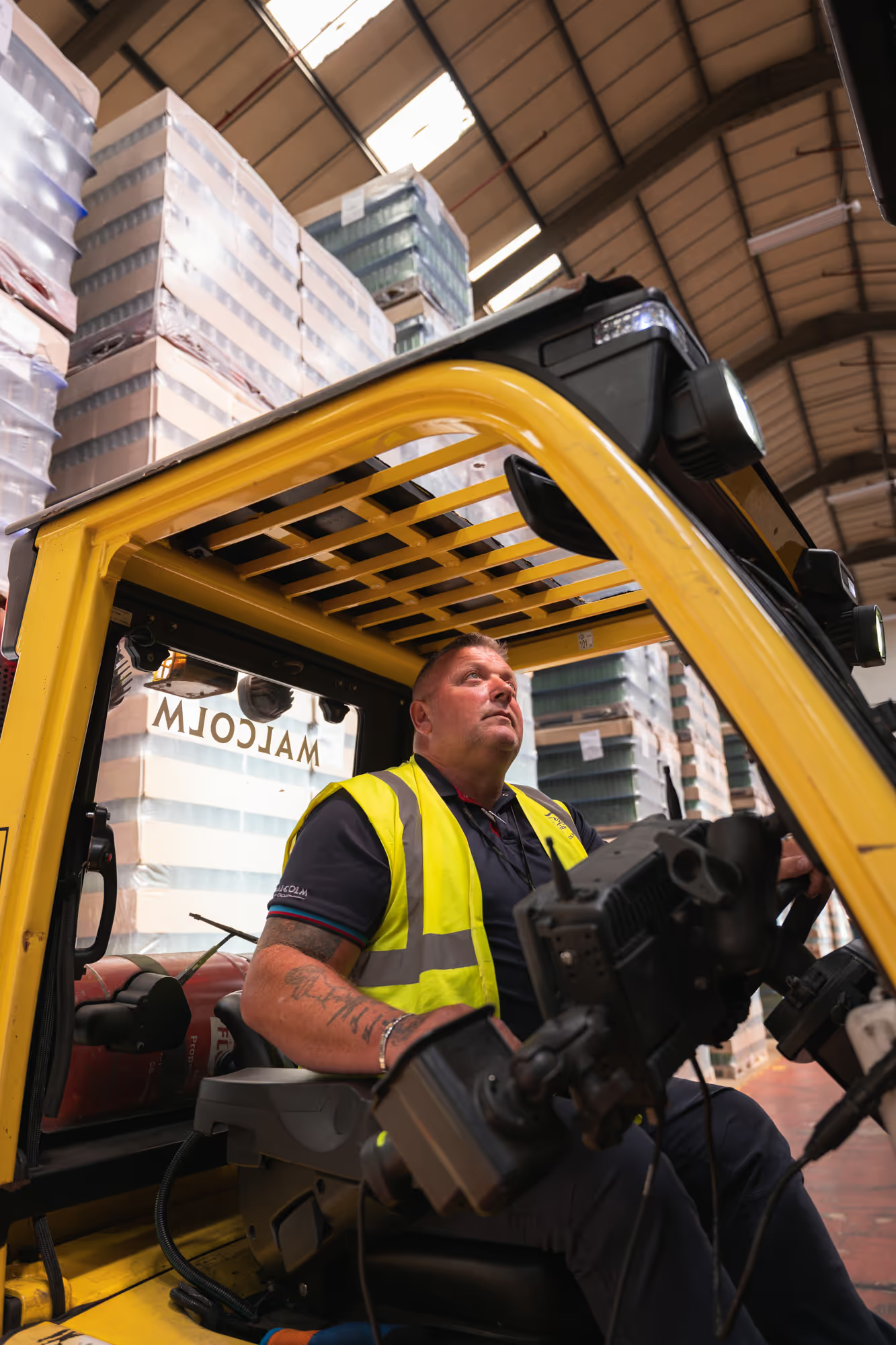
Frontline employees are recognized less often than desk-based peers, largely because most recognition tools weren't built with them in mind. A desk worker gets visible praise in a Slack channel, a shout-out on a video call, a mention in a company-wide email. A retail associate, a home care worker, or a warehouse picker usually gets less of that, not because their work matters less, but because the infrastructure for seeing it doesn't reach them as easily. Most recognition platforms require a desktop browser to administer the program, which quietly assumes an office-based program manager even when the goal is reaching a deskless team.
Putting recognition inside the same app frontline workers already use for schedules and company news gives it a far better chance of being seen day to day.
Start giving your frontline team recognition they'll actually see
Put recognition where your team already looks, and it gets seen, shared, and built into the daily rhythm of a shift rather than left in a portal nobody opens. Blink puts peer recognition directly in the feed your frontline team already checks, and connects to the rewards platform you already run when you need the points and catalog layer too.
Start a 14-day free trial to see how recognition shows up in the Blink feed, or book a demo to walk through how it fits alongside your existing rewards program.