Shake Shack started in a hot dog cart in Madison Square Park over 25 years ago. Today we're a global brand with more than 700 restaurants, 14,000 team members, and an ambitious growth goal.
We're opening more than 60 new restaurants this year alone. Every new shack means new people, new teams, and new ways for our message to get lost along the way. Growth at that pace makes clear, consistent communication more important than ever.
For us, that meant finding a better way to reach, recognize, and engage our teams as we continue to scale.
Keeping every team connected
As Shake Shack has grown, so has the need to keep our teams informed and connected. A message may start with our support center or leadership, then move through above-shack leaders, shack leaders, managers, and frontline teams.
At our size, communication has to be timely, relevant, and easy to access for the people closest to our guests. We needed an approach built for the way our teams work today and flexible enough to support where we're headed next.
What our people were telling us
Before I moved into communications, I spent five years in our People Resources team, running our annual engagement survey. Those results gave us important insight into how team members felt about their leaders, workplace, and our culture, and reinforced how much the team experience shapes engagement.
Two things came up again and again as drivers of engagement: recognition and voice. People want their work to be seen. And they want to know that when they share an idea or a concern, someone with the power to act is actually listening.
An annual survey couldn't give us either of those things consistently, at scale, across 500-plus locations. We needed a way to make recognition and voice part of the everyday experience, not a once-a-year check-in.
What we needed from a tool
When we went looking for a platform, three things mattered most.
It had to fit into one place. Our team members already use different systems throughout the day, and we wanted to make access simpler, not add another step. A single point of entry mattered.
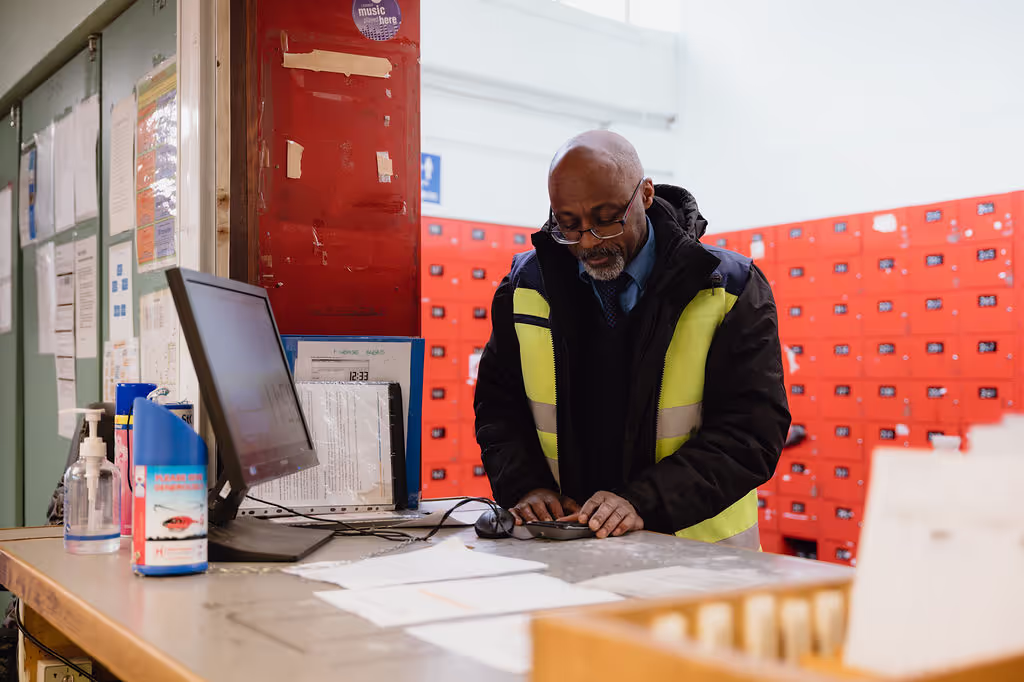
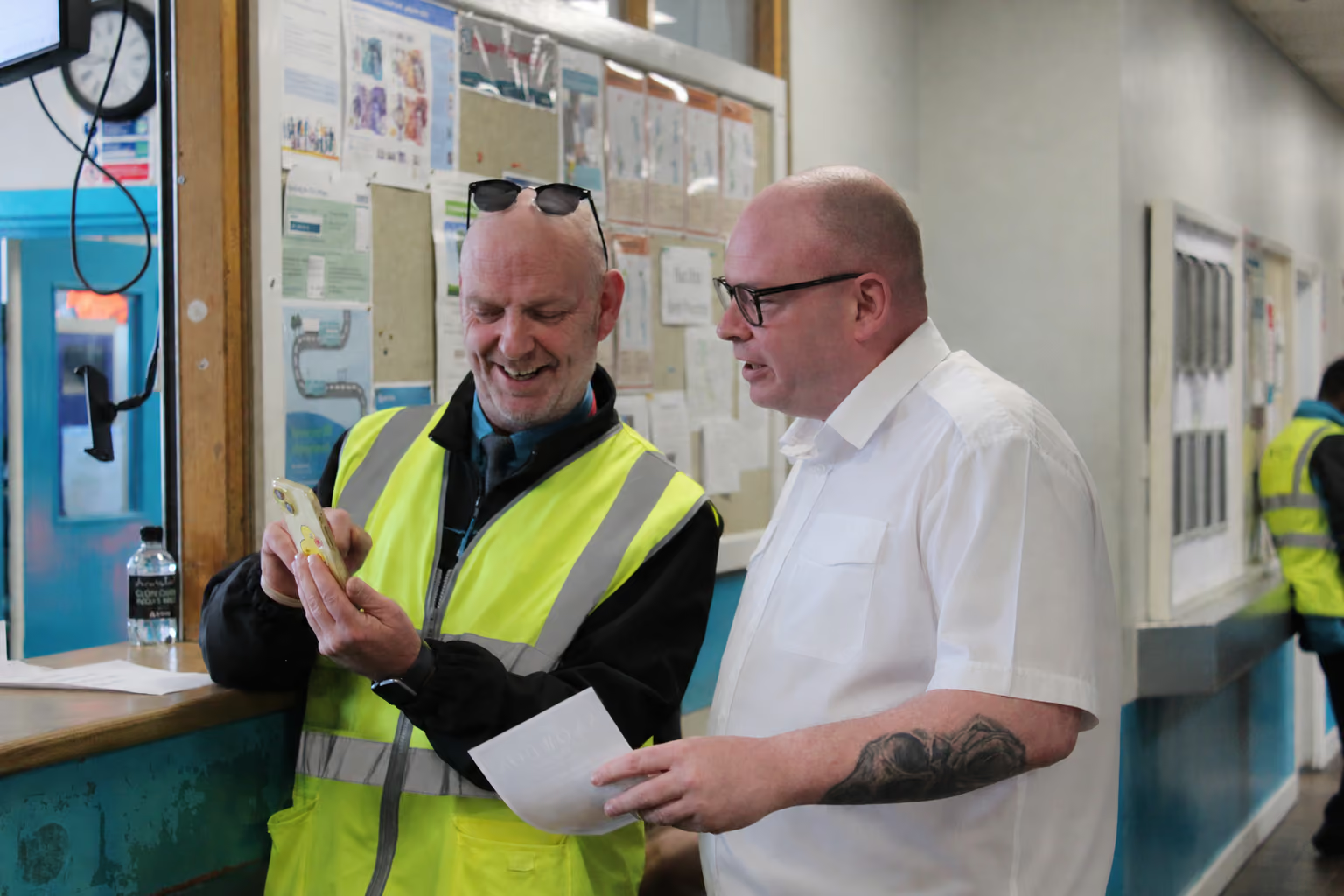
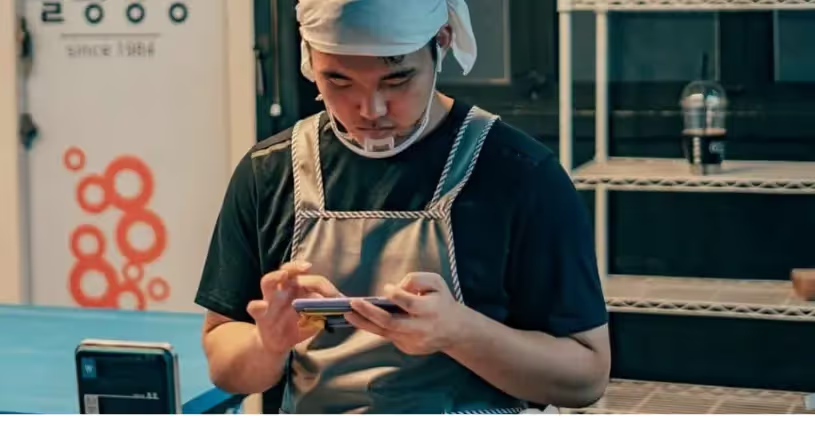
It had to be built for the floor, not the desk. I sit at a computer most of the day. The majority of our team members are on their feet, serving guests, with a phone in their pocket and not much time to sit and dig through an intranet. Mobile-first wasn't a nice-to-have. It was essential.
It had to inform, connect, and engage. We wanted a platform that could share the big picture, make it relevant to each team member, and connect the four walls of one Shack to the broader Shake Shack story. It also needed to feel natural for a workforce that is used to engaging through mobile, social, and real-time experiences.
That combination is what led us to Blink.
What changed
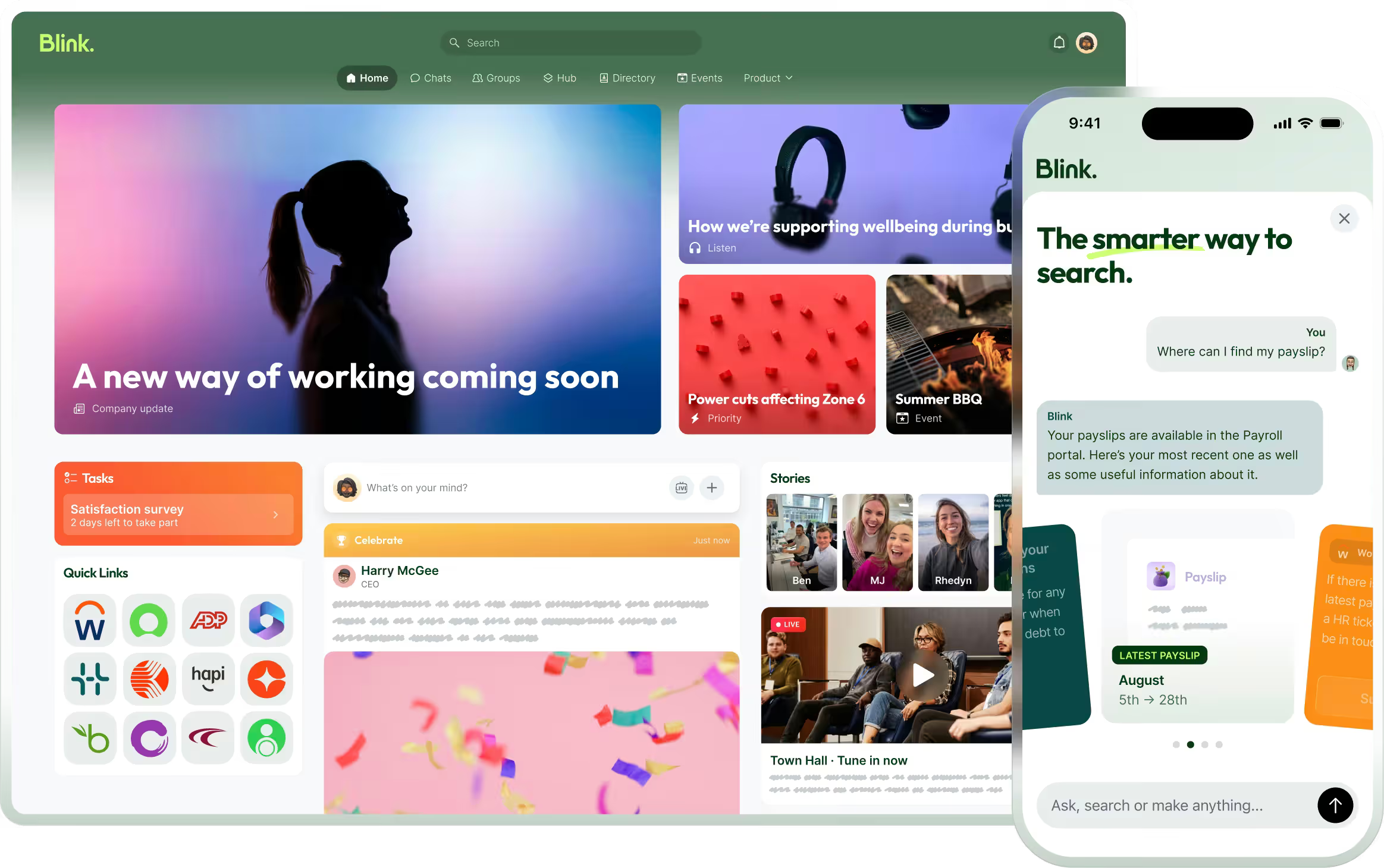
The integration piece has made the biggest difference day to day. We connected Blink to Workday through single sign-on, so a team member can go from the Blink Hub straight to viewing their payslip or a compliance module in seconds, no extra password required. Password reset requests have dropped since launch.
We also made communication more relevant. We wanted a platform that helps people see what matters to them, when it matters. An hourly team member and a corporate employee may need different information, and that targeting helps keep the experience useful and engaging.
And we made it ours. In a Shake Shack environment, Blink looks like Shake Shack: our colors, our photography, our voice.
How we got people to actually use it
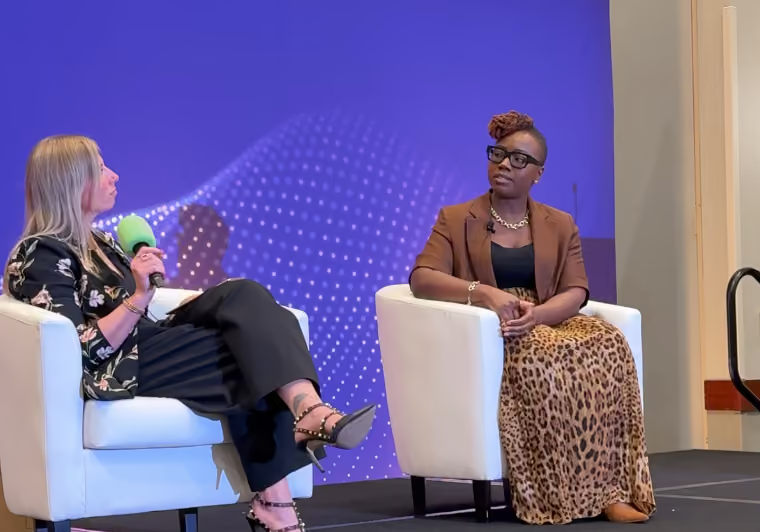
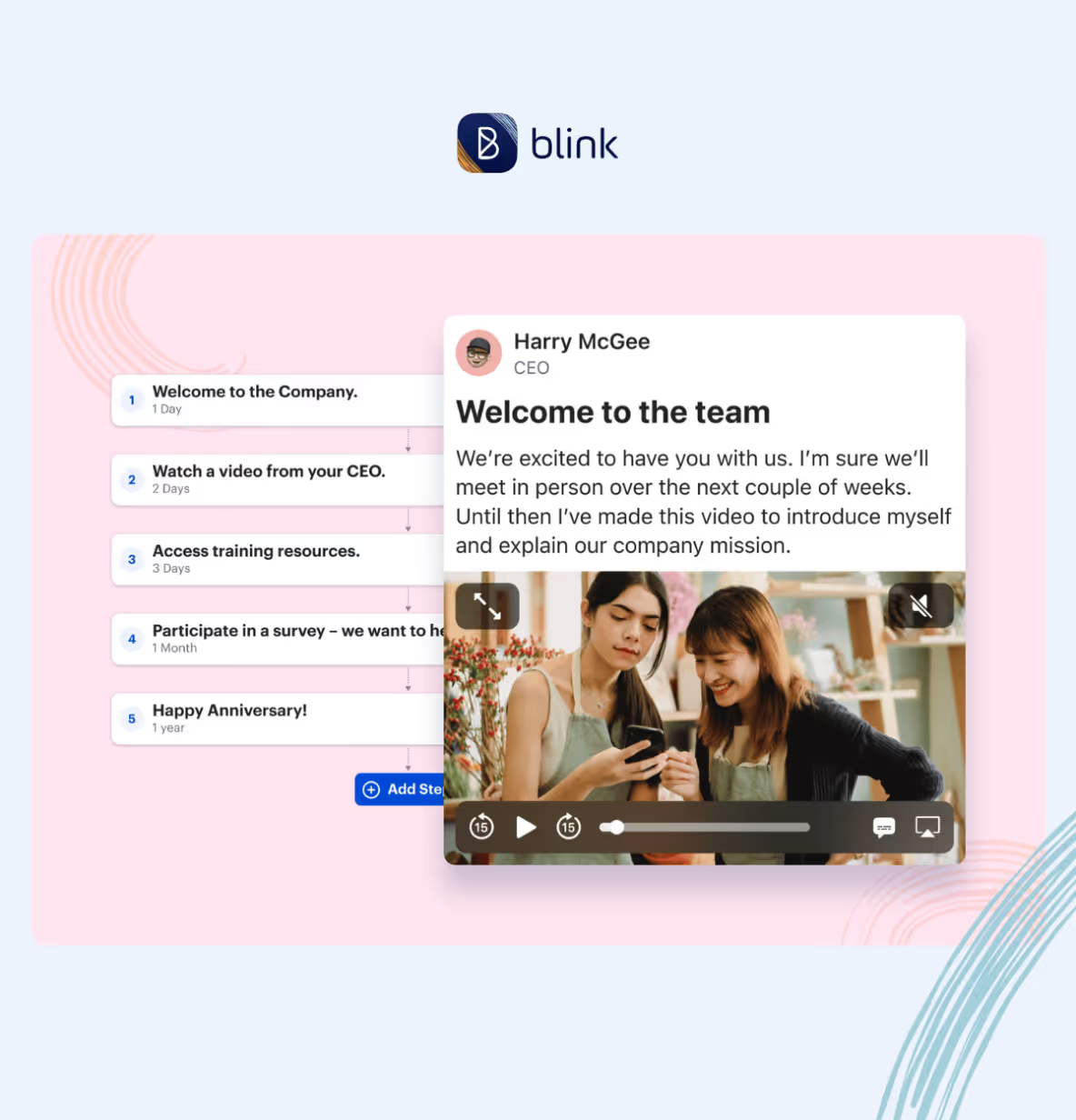
A platform is only as good as its adoption. We built it with our operators, not just for them, testing and iterating before we launched company-wide. Then we found our champions early. Earlier this year, we brought almost 250 operators and leaders together for a two-day summit, and we used Blink as the event app, pushing schedules, session reminders, and photo sharing through the platform before it ever launched to the wider team.
By the time we launched a few weeks later, those leaders were already active, and the content was already there. Within the first two weeks, more than 70% of our workforce had registered. That number keeps climbing.
Where we're headed
We now have a more direct way to reach our frontline teams. As we grow and scale our business, that matters more every day.
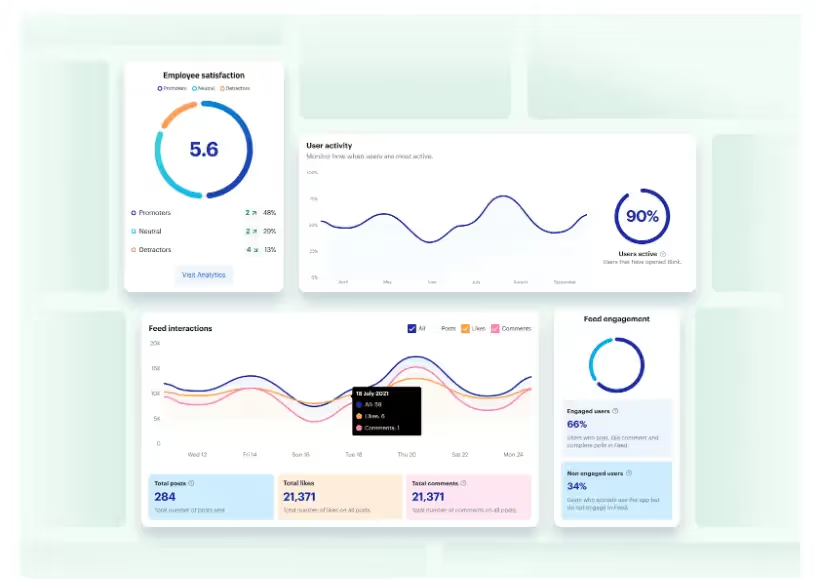
We're also excited about where the platform itself is going. Last week, I built and launched a pulse survey in about five minutes and started seeing responses in real time, something our old, once-a-year survey tool could never do. As Shake Shack scales to 1,500 shacks, we need our tools to scale and evolve with us. Seeing that kind of innovation already happening gives me real confidence that Blink will keep meeting us where we are, and where we're headed next.


.avif)


.avif)



.jpeg)


















.jpeg)


.avif)







-min.jpeg)

-min.avif)

%20(3).avif)


















.avif)





.avif)
%20(2).avif)




.avif)
.avif)