Open shifts: a fair, fast coverage process for managers
It's Sunday morning at a quick-service restaurant and the shift lead is one person down for the breakfast rush. They open the group chat, type the same message three different ways to get someone's attention, and wait. Twenty minutes later, nothing. They start calling individually, in seniority order, because that feels fairest, which also means the slowest possible route to a yes. Now multiply that by every site on the schedule: a single-location manager loses an hour, a multi-site operator loses that same hour at every location, every week.
An open shift is a scheduled shift with no one assigned to work it, usually because someone called out, quit, or a new slot was added after the schedule went live. Fill it late or unfairly and you end up short-staffed, paying needless overtime, or fielding complaints about who got first pick. An open shift and a shift swap solve different problems: an open shift has no owner and goes out to anyone eligible, while a shift swap starts with an assigned worker trading directly with a colleague. Filling shifts fairly and fast is one piece of a bigger discipline: Blink's guide to the last-minute shift swap process covers the handover side in more depth. This guide covers what counts as an open shift, why gaps take so long to close, a shift cover process that's fair and auditable, and how to run the whole thing from your phone instead of a group chat.
What is an open shift?
An open shift is any scheduled shift without an assigned worker, created by a cancellation, a no-show, resignation, or new demand the original schedule didn't account for. It sits on the schedule as a gap until a manager fills it. In most workplaces that means someone eligible, qualified, and within their contracted hours takes it on, either by volunteering or by manager assignment. Open shifts are routine in retail, hospitality, healthcare, and logistics, where staffing has to flex around footfall, patient load, or order volume day to day. The difference between a well-run open shift process and a bad one isn't whether gaps happen. They always will. It's how fast the gap closes, whether the person who filled it was actually eligible, and whether there's a record of who said yes and when, the piece that matters most at payroll time.
Why do open shifts take so long to fill?
Open shifts drag on because the default process is a manager working down a phone list one person at a time, and each unanswered text is dead time nobody gets back. A group text reaches everyone fast but skips the eligibility check, so whoever replies first might not be trained, certified, or within their contracted hours. Calling down a list respects eligibility but is painfully slow, since each unanswered call is a few more minutes lost.
Say a part-timer who's already close to their weekly hours cap says yes before anyone checks the math. The manager then has to either take the overtime hit or say no and start again, which feels worse than never having been asked. Calling down a list has the opposite problem: it's slow but at least controlled, until a couple of people down the list say yes to a shift they're not actually trained or certified to cover, and the manager finds out mid-shift instead of before. The same dynamic shows up outside retail and QSR too. A care home short a certified aide for a night shift faces the identical trade-off: text everyone and risk an unqualified person showing up, or call down a list and lose the time that trade-off costs.
Neither method keeps a record. If payroll asks who worked Saturday and why they were approved, the honest answer is often "whoever answered their phone first." That's not a policy. It's a guess that happened to work out, this time.
How do you build a fair process for filling shifts?
A fair open shift process defines eligibility before the gap happens, posts to everyone eligible at once instead of one at a time, and records who claimed it and who approved it. Five steps make this work in practice.
- Decide eligibility in advance, not in the moment. Set the rules once: role, location, certification, and whatever labor constraints apply (minors, visa hours, union seniority rules) and apply them automatically every time a shift opens. Nobody has to remember who's qualified to run the fryer or administer medication under pressure at 6am.
- Post to everyone eligible, not a chosen few. The fastest way to fill a gap fairly is to make sure the same opportunity reaches every qualified person at the same time, not just the three names a manager remembers first. People don't mind losing out to a faster reply nearly as much as they mind never being asked.
- Choose first-come or manager-approval, and be consistent about it. First-come is faster and feels transparent. Manager approval is slower but gives you a check against overtime and skill gaps before the shift is confirmed. Pick one approach per shift type and stick to it.
- Confirm in writing, automatically. A verbal yes in a hallway or a thumbs-up emoji in a group chat isn't a record. Whoever picks up the shift should get an explicit confirmation, and that confirmation should be the same document payroll and the manager both see.
- Keep an audit trail. Who was offered the shift, who claimed it, who approved it, and when. This is the piece most manual processes skip entirely, and the one you'll want the day a timesheet gets questioned.
How do you keep shift cover fair without overtime surprises?
Overtime surprises happen when a shift gets filled by whoever answers fastest, with nobody checking that person's hours for the week first. Fix it by building the hours check into the claim step, not after. If the system can see that a worker is already at 36 hours before they tap "claim," the gap gets filled by someone who won't trigger overtime pay, and the schedule stays predictable for everyone involved.
Rotation matters just as much as the overtime check. If the same two or three fast repliers always get first notice, the shifts that are genuinely desirable (vacation cover, bonus pay, popular locations) start to feel out of reach for everyone else. Track who's been offered shifts and who's actually worked them over a month, not just a week, and the imbalance tends to show up before anyone has to raise it.
Why does shift cover matter for frontline workers?
Shift cover is one of the clearest signals a frontline worker gets about whether their employer runs a fair operation. Workers can't check email at a workstation or catch a Slack thread between calls, so when the only way to hear about an open shift is a group text, people without a smartphone glued to their apron, or people on a day off, find out too late or not at all. Done well, open shift cover gives every eligible worker a genuinely equal shot at extra hours, which builds trust in the schedule itself, not just in who happens to be liked.
A single, purpose-built channel that every worker already checks closes that gap. Getting shift cover right isn't just an operations fix. It's one of the more visible ways a frontline employer builds trust, shift by shift.
How does Open Shifts work in Blink?
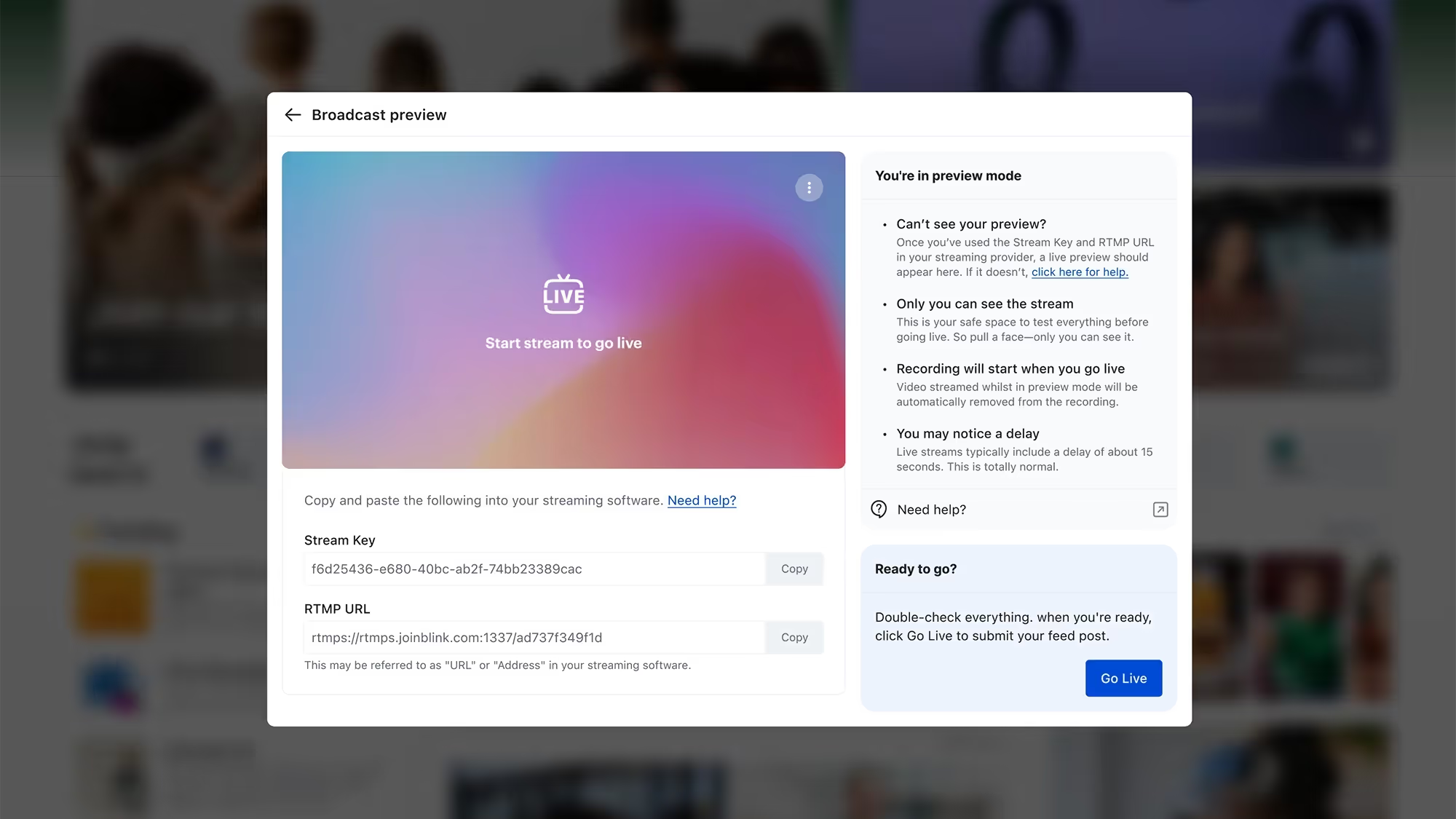
Blink's Open Shifts is a paid add-on that lets a manager post a shift once, to every eligible person by role or location, with a push notification and a one-tap claim, instead of working down a call list. Check current plan details on Blink's pricing page before assuming it's included. Full detail on setup and permissions is in Blink's Open Shifts help center article.
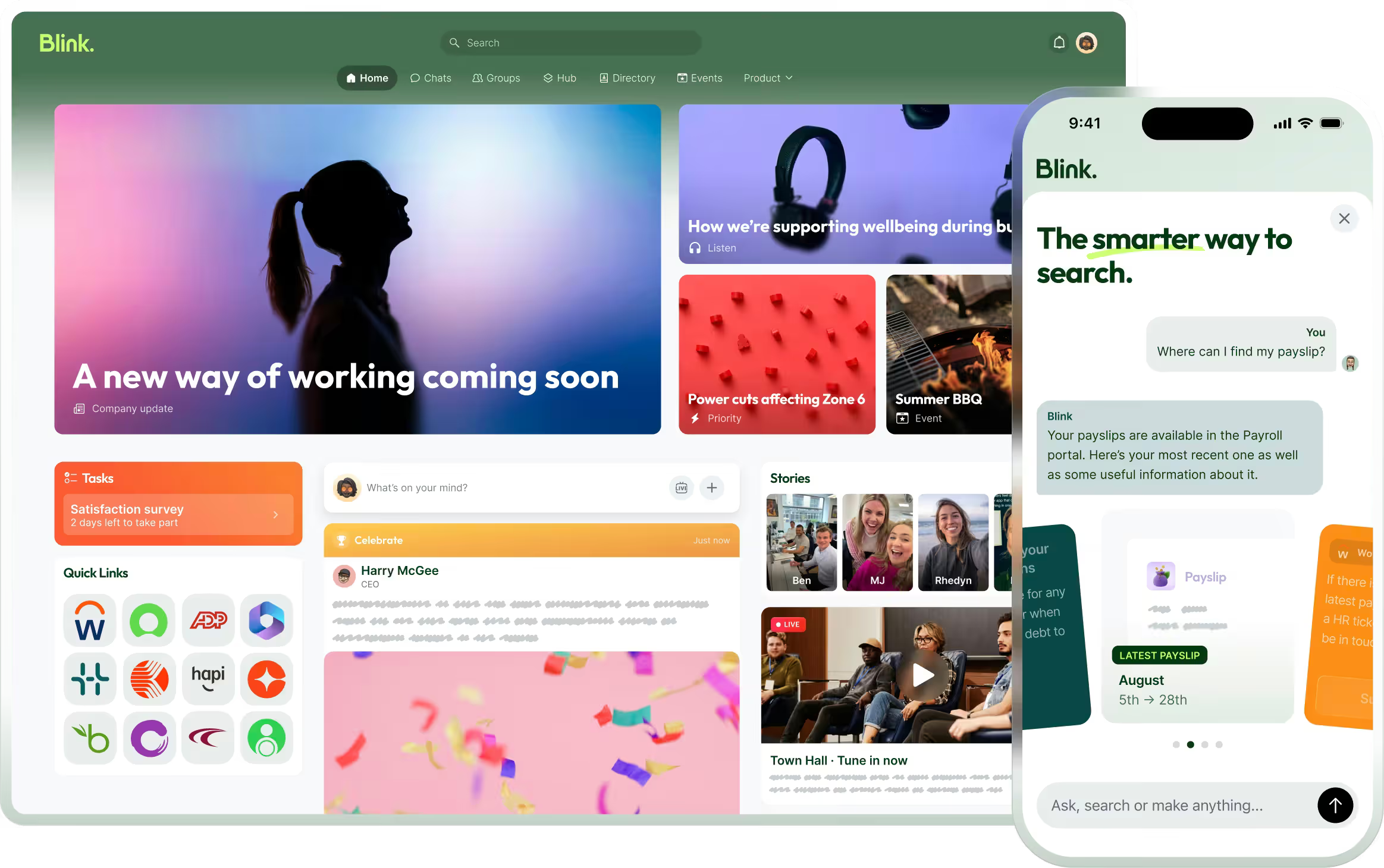
A manager adds the shift (single or in bulk), sets who it's visible to, and chooses first-come or manager approval. Eligible team members get a push notification the moment it posts, see it on the Feed and in the Hub, and claim it with a tap. The manager can assign, reassign, or pull a shift at any point.
Shift Swap Request is a separate capability for when a worker already has an assigned shift and wants to trade it directly with a colleague, rather than putting it back into the open pool. It shares the same eligibility checks as Open Shifts, so a manager looking at the record sees both open shifts and swaps in one place, but it's a different flow for a different problem.
Open Shifts and Shift Swap Request are both built to sit alongside your existing scheduling tool rather than replace it. Shift data stays in your system of record. Blink is the layer that gets the gap in front of the right people fast enough to actually close it. You can see how Open Shifts fits into the rest of Blink's scheduling features on the shift management page, and for the communication side of frontline operations, Blink's overview of frontline communication mistakes to avoid covers the broader patterns that cause messages, including shift cover requests, to go missing. Managers running overnight sites can also check Blink's night shift survival guide for cover-specific advice on the graveyard slot.
Start a 14-day free trial to see how fast a shift gets filled when it reaches everyone eligible at once, or book a demo if you want to walk through how Open Shifts would sit alongside your current scheduling tool first.