Every transit agency has run the math on what it costs to lose a driver. Recruiting, background checks, weeks of CDL training and road time, then the whole cycle again a year later when that operator hands in their notice. What most agencies haven't done is name the actual reason drivers leave. It isn't just pay. It's the job itself: hours alone in a cab, a schedule that changes without warning, and a manager they might not see in person for weeks at a time.
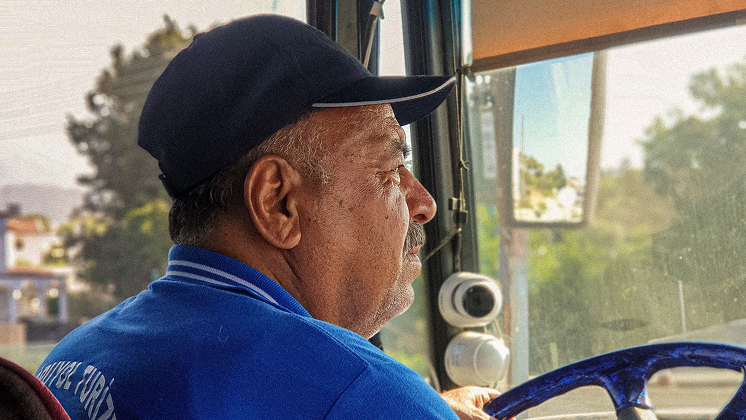
Picture a typical early shift. A driver clocks in before sunrise, does a pre-trip inspection alone, and spends the next eight hours behind the wheel with a radio for company. If anything goes wrong, a passenger dispute, a detour, a mechanical warning light, dispatch is a disembodied voice, not a person standing next to them. That's not a communication inconvenience. For a lot of operators, it's the whole job, and it's why generic retention playbooks written for warehouses or restaurants tend to fall flat here.
Why generic retention tactics don't fit the cab
Sign-on bonuses get headlines. Houston Metro made news offering new operators $4,000 to fill seats, and plenty of agencies have followed with their own versions. Bonuses fill a vacancy for a while, but they don't touch the reasons a driver was thinking about leaving in the first place. If nobody's fixed the isolation, the unpredictable schedule, or the feeling of being invisible to management, the agency is just paying more to run the same treadmill.
The transit workforce is also aging out faster than most industries plan for. The median bus operator is over 53, well above the national average across all occupations, and agencies are already competing for a shrinking pool of new CDL holders. Retention isn't a nice-to-have next to recruitment. It's the cheaper, faster lever, and it's the one most agencies under-invest in.
What actually moves the needle for transit crews
A 2026 industry survey from Optibus put numbers on what drivers themselves say keeps them in the seat. Eighty percent of drivers who rate their communication with dispatchers as good or excellent say they intend to stay in the job. Nearly two-thirds of drivers who are considering leaving say they'd stay if working conditions improved, and schedule unpredictability was one of the top complaints, with more than half of drivers describing their schedules as somewhat unpredictable.
Put plainly: drivers who feel connected, informed, and heard stay longer than drivers who don't, regardless of what's on the paycheck. That means retention strategies that work for transit agencies look less like a bonus structure and more like a communication habit. A route change reaching every affected driver before their shift starts instead of after they've already pulled out of the depot. A dispatcher who can check in with a driver mid-route without making them pull over to answer a call. A simple way for an operator to flag a problem and know someone saw it.
Retention starts before the first solo shift
New operators are especially fragile in the first few months. They've spent weeks in a classroom and behind the wheel with a trainer, then suddenly they're solo, with no one checking in unless something breaks. Agencies that keep new hires engaged during that transition, through regular check-ins, a place to ask questions without feeling like they're bothering a supervisor, and quick recognition when they handle a tough route well, see fewer new operators quit in that shaky first quarter.
Building a habit, not buying a tool
None of this requires a bigger HR budget. It requires a way to reach every driver, at every depot, on every shift, without relying on a bulletin board in the break room or a work email most drivers never check. A frontline communication tool that lets dispatch send an update once and know it reached the whole fleet, that gives drivers a two-way channel to raise issues, and that makes it easy to say "nice work" after a hard shift, does more for retention than another round of sign-on bonuses ever will.
See how Blink helps transit agencies close this gap on the Blink for transit page, or book a demo.



.jpeg)



.avif)