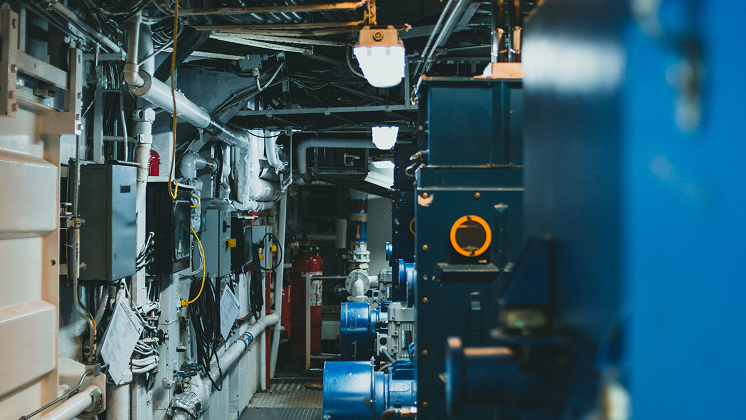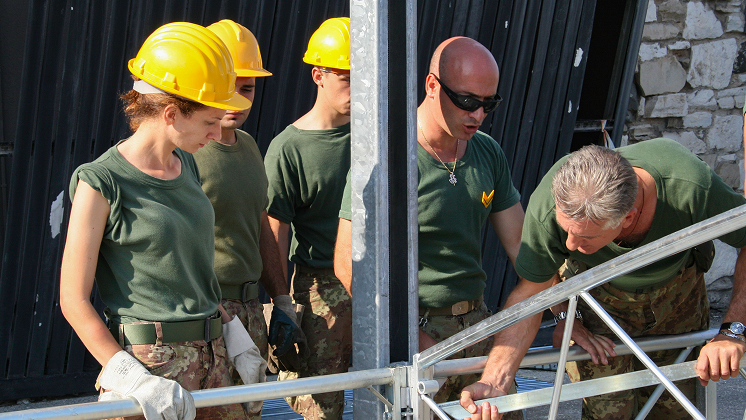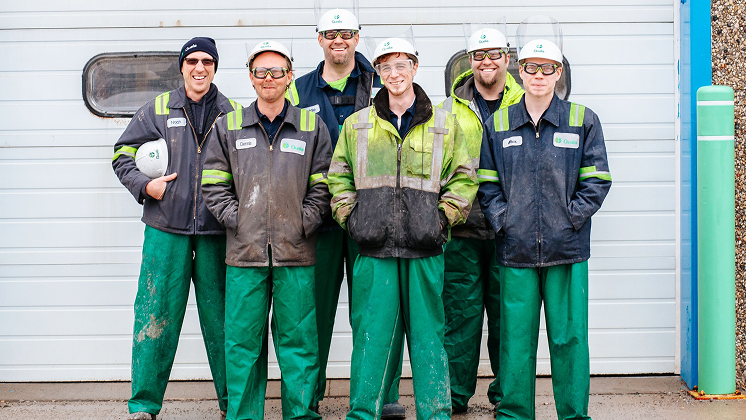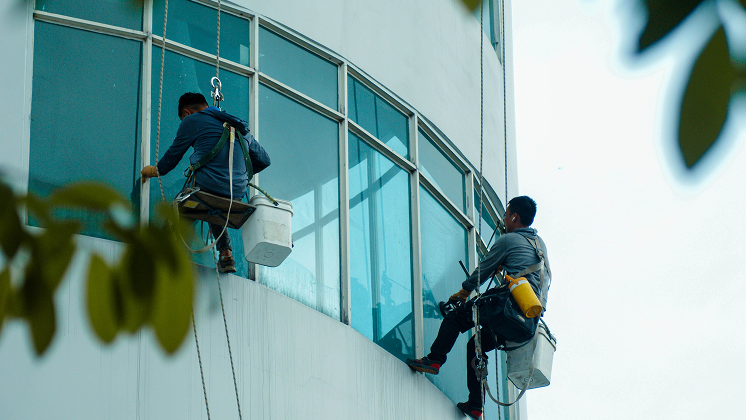
A facilities technician starts the day at a distribution center, drives to a retail unit to fix a walk-in freezer, then finishes at a corporate office replacing ballasts in a parking structure. They never sit at a desk. They never open a company inbox. And most of what they need to know today, a new safety protocol, a schedule change, an urgent work order at the site they just left, never reaches them until someone happens to call.
This is the deskless reality of facilities management, and it's a textbook case of a much bigger workforce problem. Most communication tools were built for people who sit in front of a screen all day. Facilities technicians, HVAC engineers, groundskeepers, and maintenance crews don't. They're on ladders, in mechanical rooms, and behind the wheel, and the gap between "what head office sent" and "what the technician actually saw" is where safety incidents, missed work orders, and frustrated clients all start.
Why deskless workers need a different kind of communication
Search "communication solutions for deskless workers" and you'll find the same advice over and over: meet people where they are, on the device already in their pocket. For facilities teams specifically, that means the solution has to survive a workday that looks nothing like an office job. A technician might have gloves on, be underneath a chiller unit, or be driving between sites with no time to log into a laptop. If the tool doesn't work one-handed, on a phone, in under thirty seconds, it doesn't get used.
That's not a technology problem so much as a design one. Email assumes a desk. Slack assumes a badge and a company laptop. A shared whiteboard in the break room assumes the technician is ever in the break room, which for a roaming crew might be twice a week.
The real cost of a missed message on a job site
When a facilities team misses an update, the consequences show up fast and they're rarely small. A technician who doesn't get the memo about a chemical spill protocol walks into a hazard blind. A crew that doesn't know a client site changed its access hours shows up locked out, or worse, shows up unannounced during a client's board meeting. A work order sent to the wrong person, or to no one, sits open for days while a tenant calls to complain.
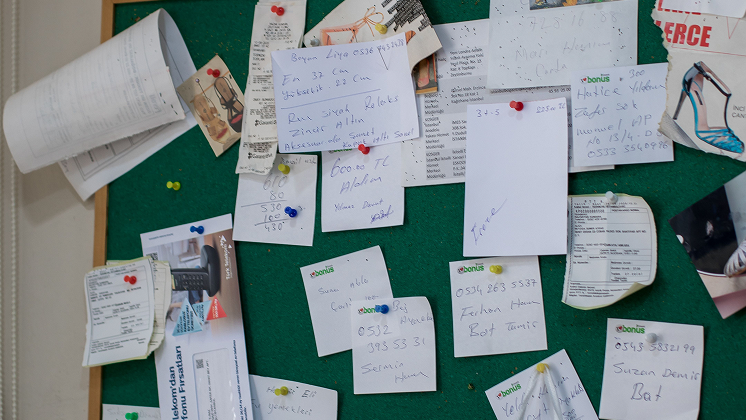
None of this is because facilities teams are careless. It's because the information had nowhere reliable to land. Paper job sheets get left in trucks. Group texts get buried under fifty other threads. A shared drive folder is useless to someone who's never once opened a laptop this week.
What a real communication solution looks like for facilities teams
The fix isn't more communication, it's the right kind, sent to the right device, in a format a technician can act on immediately. That usually comes down to three things: a single mobile hub that puts schedules, safety documents, and site instructions in one place instead of six; a feed or chat that pushes urgent updates directly to a phone rather than waiting for someone to check email; and a way for technicians to report back, a broken part, a completed job, a safety concern, without filling out a form at a desk they don't have.
Blink builds this specifically for teams that never sit still. Technicians get one app for their schedule, their site instructions, and direct messages from dispatch or their manager. Managers get a live view of who's seen what, so a critical alert about a gas leak or a closed access route isn't a hope, it's a confirmation.
Connection is the foundation, not an extra
Facilities work is often solitary by nature. A technician might not see a manager in person for days, and that isolation compounds the communication problem: when people feel disconnected from the team, they're less likely to flag issues early or ask for help before a small problem becomes an expensive one. Solving communication for a deskless facilities workforce isn't just about getting messages delivered. It's about making a scattered team feel like one team, wherever the next job site happens to be.
See how Blink closes this gap on the Blink for facilities management page, or book a demo.