
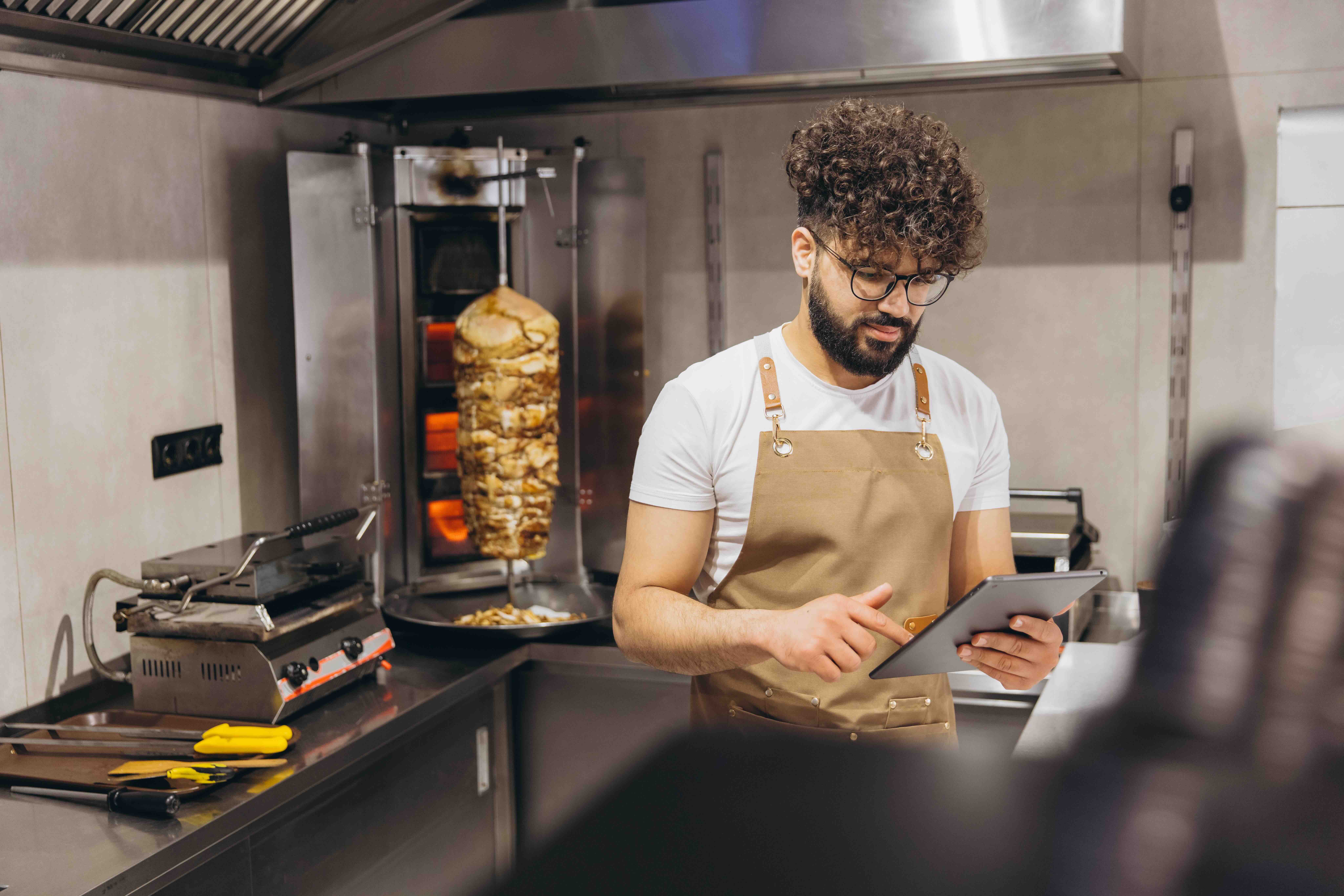
Your brand promise isn't kept in the boardroom. It's kept at 5:45 a.m., when a shift lead unlocks the door, checks the fryer temps, and decides which items on the opening checklist actually get done today.
Multiply that moment by hundreds of locations, three shifts a day, and a crew that turns over faster than your menu. That's the execution challenge every quick service restaurant brand faces. Guests expect the same experience in every store. Delivering it every shift is the hard part.
Why execution drifts from store to store
Most QSR brands don't have a strategy problem. They have a last-mile problem.
A new food safety procedure starts at HQ. It moves to regional ops, then area managers, then GMs, then shift leads, then crew. Every handoff is a chance for the message to shrink, shift, or disappear. By the time it reaches the person on the grill, "log temps every two hours" has become "check temps when you can."
A few things make this worse in QSR. Turnover is constant [STAT: sourced QSR crew turnover rate], so someone is always new. New people learn from whoever's on shift, not from the playbook. Frontline teams don't sit at desks, so they aren't checking email or the intranet between orders. And paper doesn't talk back. A laminated checklist on the wall can't tell you it's being skipped.
The result is quiet inconsistency. Nobody's doing anything wrong on purpose. The system just makes it easy for standards to slip.
What task management means in a restaurant
When most people hear "task management," they picture project boards and complicated planning mechanisms. That's not what a crew member needs.
In a QSR, task management is simpler and more practical. The right person gets the right task at the right time, on the phone already in their pocket. It covers two kinds of work.
The first is recurring. Opening and closing checklists, food safety logs, cleaning schedules, and equipment checks. These happen every day, and consistency is the whole point.
The second is one-off. A limited-time offer launch, a new menu board, a promo display, or a product recall. These need to land in every store at once, on a deadline.
Good task management handles both in one place.
Four ways to keep every store on the same page
#1. Everyone gets the same instruction at the same time
Forget the chain of forwarded emails and phone calls. Ops teams send a task directly to every relevant location. The GM in one city sees exactly what the GM across the country sees. No more telephone game.
#2. Tasks follow roles and shifts, not individuals
Assign the closing checklist to "closing shift lead" rather than a named person. When someone leaves or swaps shifts, the task still lands with whoever's in that role. That's how you build consistency on top of turnover instead of fighting it.
#3. Proof replaces assumption
A checkbox says a task was done. A timestamped photo shows it. When crew can snap the promo display or the cleaned prep area as they finish, "done" means the same thing in every store.
#4. Leaders spot gaps before guests do
Every finished task shows up in one view. Area managers can see which stores are on track and which are falling behind today, not at the next audit. Store visits become coaching conversations, not inspections.
Clarity beats control
Tasks without context feel like orders. Tasks with context feel like support.
The brands that get this right pair every task with the why behind it. A food safety check comes with a short note on what's at stake. An LTO launch comes with a quick video from the brand team. Good managers notice and celebrate completion, not just track it.
Frontline workers want clarity [STAT: sourced frontline research on clarity or communication]. They want to know what good looks like and whether they're hitting it. Task management done well gives them both. It takes the guesswork out of the shift so crew can focus on guests.
Where to start
You don't need to digitize every process at once. Pick one workflow where inconsistency is costing you, like opening checklists, food safety logs, or LTO rollouts. Move it off paper and onto mobile. Track completion for a few weeks. Then ask your GMs and shift leads what's working.
Once one workflow sticks, the next one gets easier. Crews get used to finding their tasks in one place, and ops teams start trusting the data.
Make the right thing the easy thing
Standardized execution isn't about more rules. It's about making the right thing the easy thing, in every store, on every shift.
That's what Blink is built for. It puts tasks, updates, and recognition in one mobile app your frontline teams actually open. Ops teams can send recurring checklists and one-off tasks to the right roles and locations in seconds. Crew see exactly what needs doing on their shift and can add a photo when it's done. Area managers get a live view of completion across every store, so they know where to step in and who to celebrate. And because tasks sit right alongside company news and shout-outs, every to-do comes with the context and recognition that keep people coming back.
%20(2).avif)