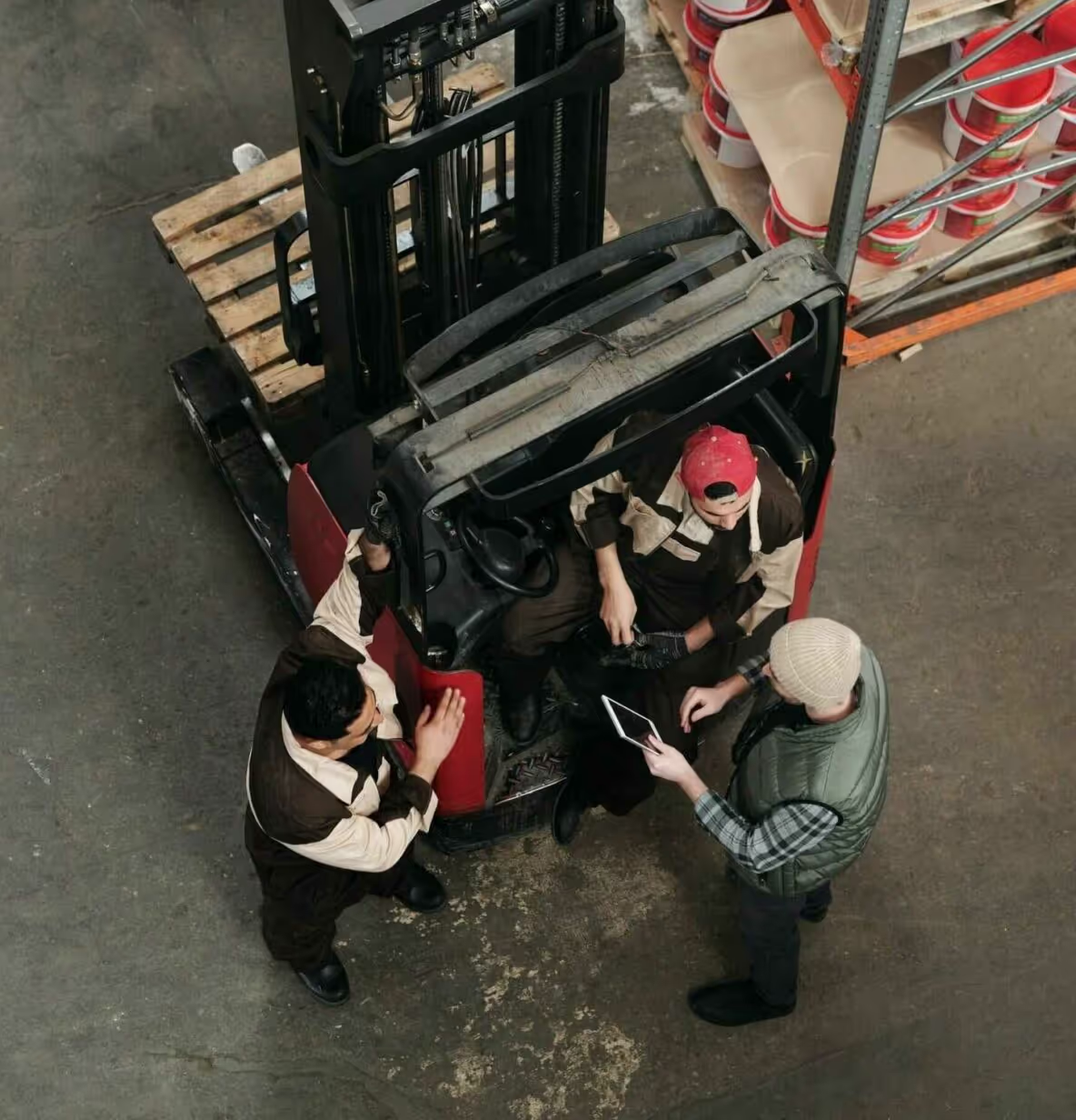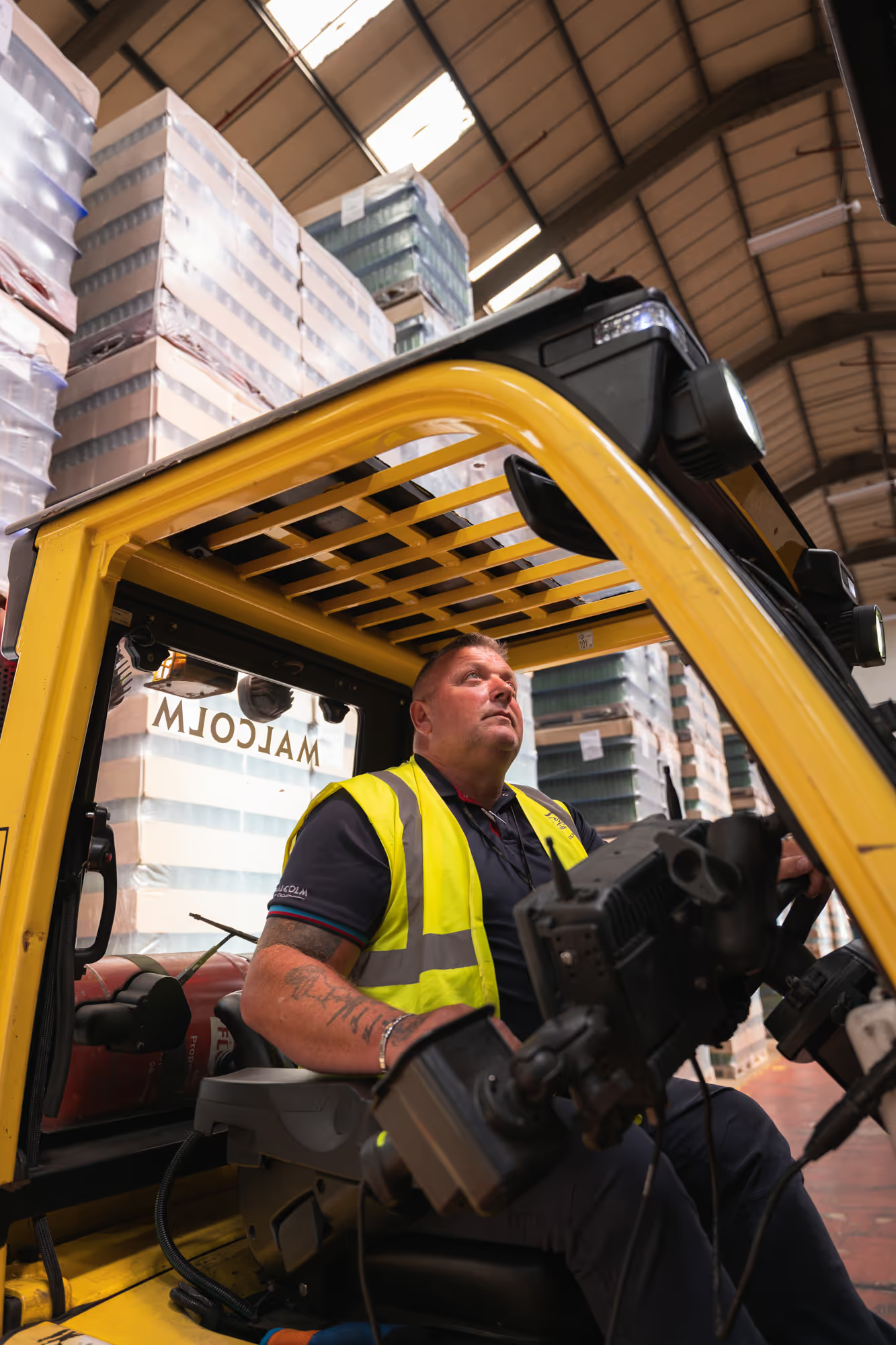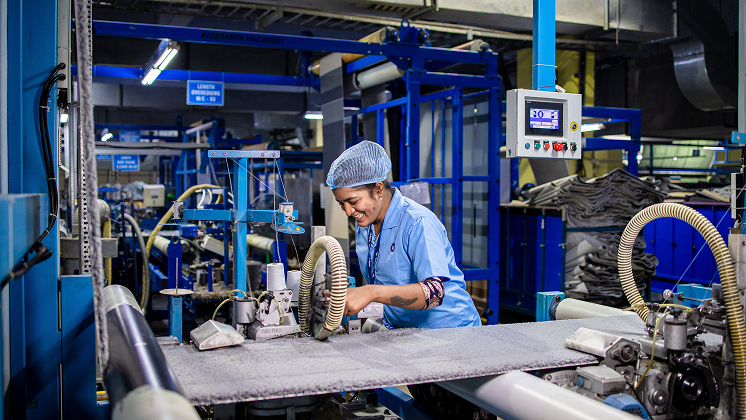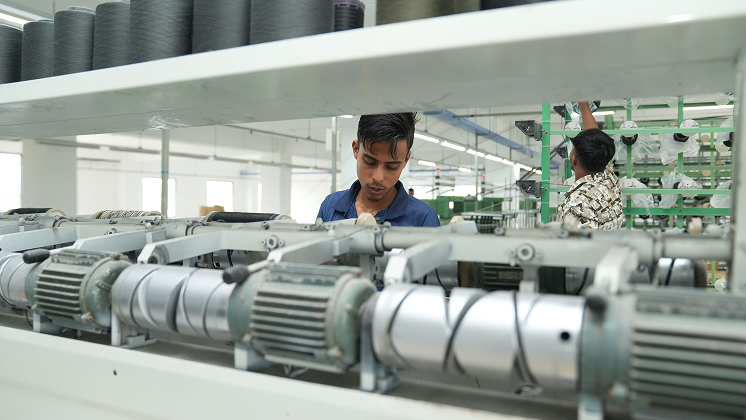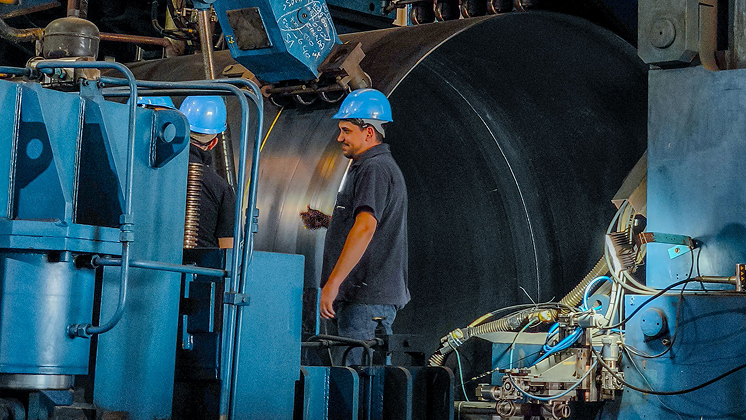
Most employee engagement software gets built for one kind of company: everyone has a desk, a laptop, and a company email address that they check between meetings. A manufacturing plant is nothing like that. Production runs across three shifts. A meaningful share of the workforce doesn't have a company email at all. And the "office" for most of your people is a line, a warehouse floor, or a loading dock. Buy the wrong software and you'll end up with a beautifully designed tool that reaches your HR team and nobody else.
If you're evaluating engagement software for a manufacturing workforce, the questions that matter aren't the same ones a typical vendor demo answers first.
Does it work without a company email address?
This is the single biggest filter. A lot of engagement and intranet tools are built on top of enterprise identity systems that assume every employee has a corporate email and a single sign-on account. Frontline manufacturing workers often don't. If your shortlist requires an email address just to onboard someone, you've already excluded a chunk of the floor before you've evaluated a single feature.
Can every shift actually see the same information?
A three-shift plant needs software that treats shift handoffs as a core use case, not an afterthought. Can a first-shift supervisor leave a note about a machine issue that second shift sees automatically when they clock in? Can safety updates reach night shift at the same time as day shift, instead of trickling down through whoever happens to be at the morning huddle? We covered why this gap costs plants good workers in why manufacturers lose good line workers, and how to keep them, and it's usually the first thing to check in a demo.
Does it actually support the languages spoken on your floor?
Translation as an afterthought, bolted on with a browser plugin or a separate PDF, isn't the same as content that's genuinely built for a multilingual crew. Ask any vendor to show you, live, what a safety alert looks like for a worker who reads in Spanish, or Vietnamese, or Haitian Creole, not just what it looks like in the demo's default English. If they can't show you in the meeting, assume it won't work well on your floor either.
Will supervisors and workers actually use it, or just install it?
Adoption is the real test of engagement software, not the feature list. Ask any vendor for adoption numbers from other manufacturing customers, not just logos. A tool with rich analytics dashboards and a 20% adoption rate on the floor isn't engagement software, it's a report nobody reads. The plants getting real value are the ones where workers open the app because it's genuinely useful day to day, for a shift note, a recognition post, or a quick question, not because HR mandated it.
What this looks like put together
The plants that get engagement software right treat it less like an HR system and more like the plant floor's version of a group chat: fast, mobile, available in every language spoken on site, and useful to a shift supervisor at 5am with as little friction as it is to an HR manager at a desk. For more on what day-to-day engagement should actually look like once the software is in place, see what employee engagement actually looks like on a manufacturing floor.
See how Blink was built for exactly this kind of workforce on the Blink for manufacturing page, or book a demo.