100%
adoption
50%+
lower workers’ comp* costs since 2021
4.5×
app opens per user, every day

Queensland’s largest privately owned transport company put 400 owner-drivers and head office on one app, without losing the family feel it’s had since 1975.
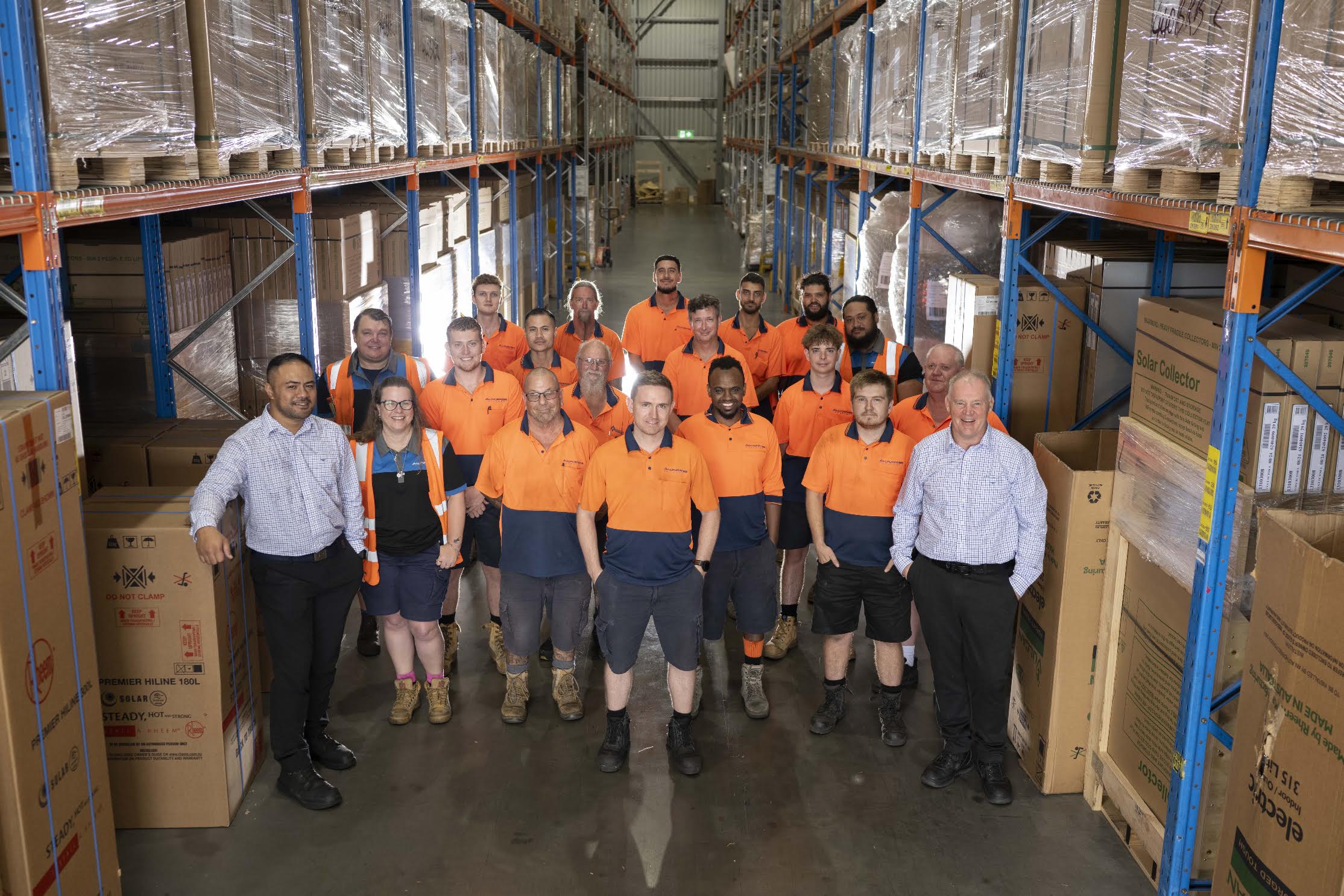
All Purpose Transport has been family-run since 1975. Today it's second generation, one of the largest operators in Queensland, running 3,000 to 3,500 last-mile deliveries a day for the likes of IKEA, plus an 18,000 square meter third-party logistics operation.

The business is built on people who are almost never in the same place. Around 60 staff sit in head office, more work the warehouse, and roughly 400 owner-drivers are on the road anywhere from Brisbane to Cairns, a 2,000km spread.
Then COVID cut the last thread that held it together, says Paul Kahlert of All Purpose Transport.
"We used to get the drivers in for face-to-face meetings every quarter. That was our one opportunity to talk to them. Then COVID came along and locked our workforce away for two to three years. We were sending a weekly email and just hoping people saw it. It was very hit and miss."
— Paul Kahlert, CEO of All Purpose Transport
In an industry with heavy compliance demands, "hoping people saw it" wasn't good enough.
All Purpose Transport needed one place everyone would actually go, and proof that messages were landing. Two decisions made adoption stick.
First, they put driver pay advices on Blink.
"We said, as far as we're concerned, if you don't go on Blink, you don't know how much you're getting paid. It sounds like a carrot and stick, but it got our stats up, because drivers went to the app for their pay. And while they were there, they'd see what was happening in the business."
Second, they drove it from the top.
"You have to drive a project like this from the top down. Every four weeks at the managers' meeting we showed engagement by division, like a scoreboard in a football game. Nobody wants to be bottom. We made it a leadership issue, not an engagement issue."
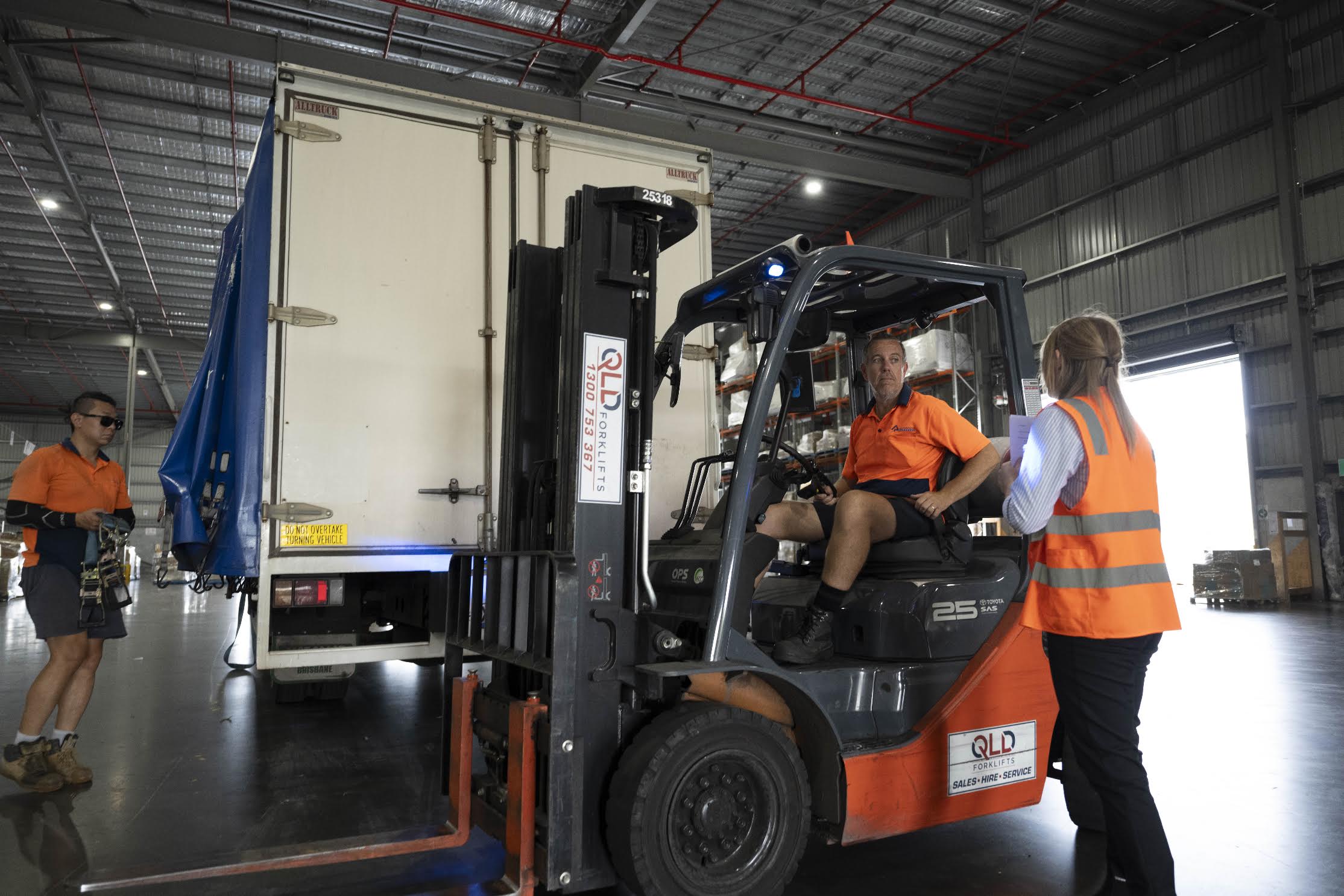
Fewer injuries, and a safety bill a fraction of the industry's. This is the number All Purpose Transport is proudest of. Since 2021, its workers' compensation costs have dropped from $1.13 to around $0.50, against an industry benchmark of $3.45 to $3.93.
"That means the safety message is getting through, because we're not hurting people. As a company that doesn't want to hurt anyone, that's what matters most."
It helps that the team leads with visuals over walls of text, which matters when 60% of drivers come from a non-English-speaking background.
"You can educate or you can dictate. Show people pictures of the safe way to do things and they respond far better than a list of don'ts."
100% adoption, and an app people open four to five times a day. With an aging workforce and real numeracy and literacy challenges, the team ran classroom sessions and sat one-to-one with anyone who needed it.
A sense of belonging, rebuilt. As a family business, All Purpose Transport celebrates birthdays, new babies, and long service on the feed.
"If a driver's sitting a thousand miles away, how does he connect to the office? He sees people talking about things, and he feels part of the team. That sense of belonging is what we lost during COVID."
One source of truth. Pay queries, requests, documents, all of it now runs through Blink.
"If it doesn't come through the hub, it doesn't exist. One source of truth, rather than everyone communicating in different ways."
In 2023, All Purpose Transport was named national Large Employer of the Year, recognition of a people-first culture that Blink helps carry to every driver, every day.
*Workers' compensation is the insurance an Australian employer pays to cover staff injured at work. A lower cost means fewer people getting hurt.