

Blink vs Sona

Blink puts communication, engagement, and everyday ops in one app. Sona runs deep in the back office.

What are you here to fix?
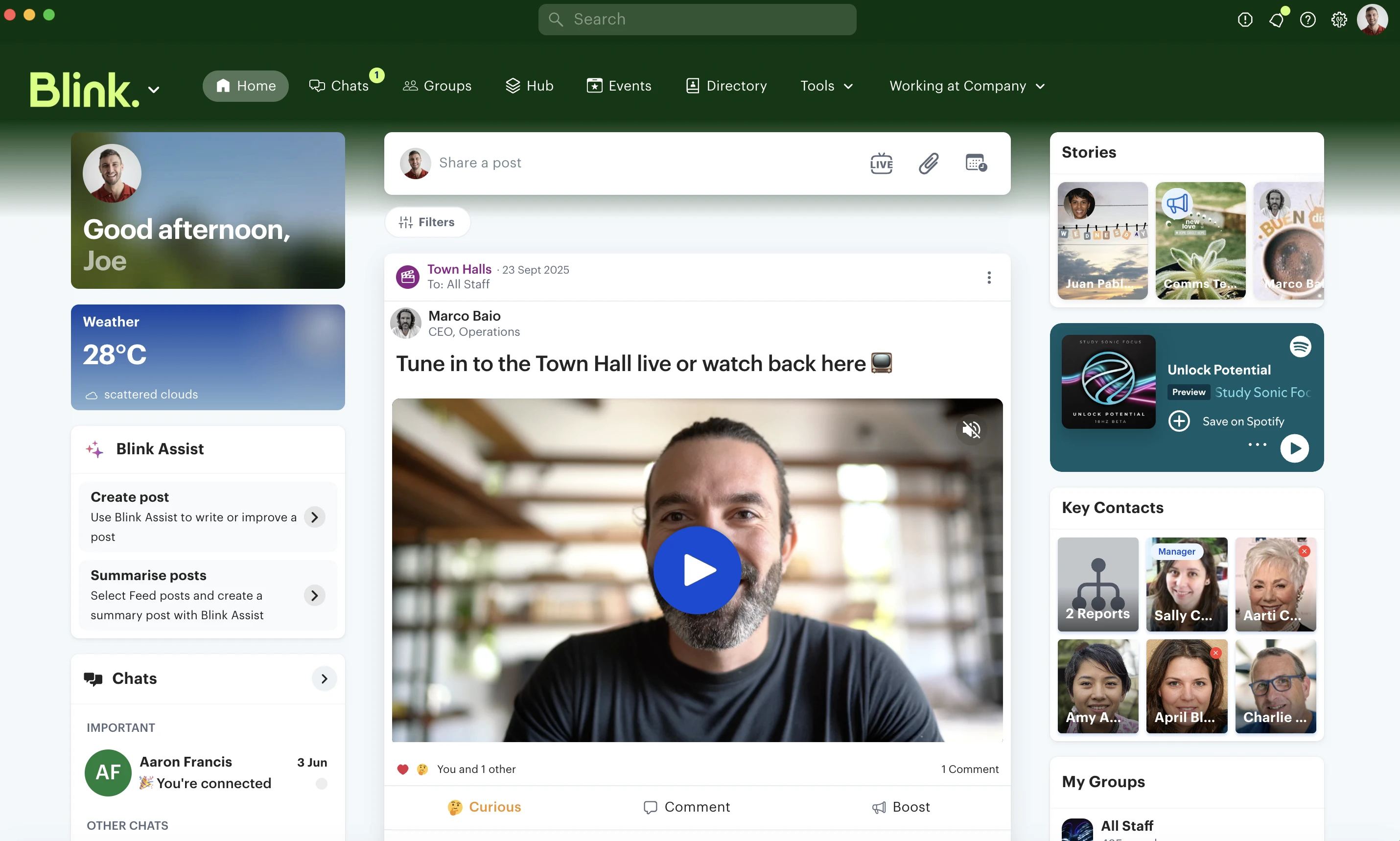
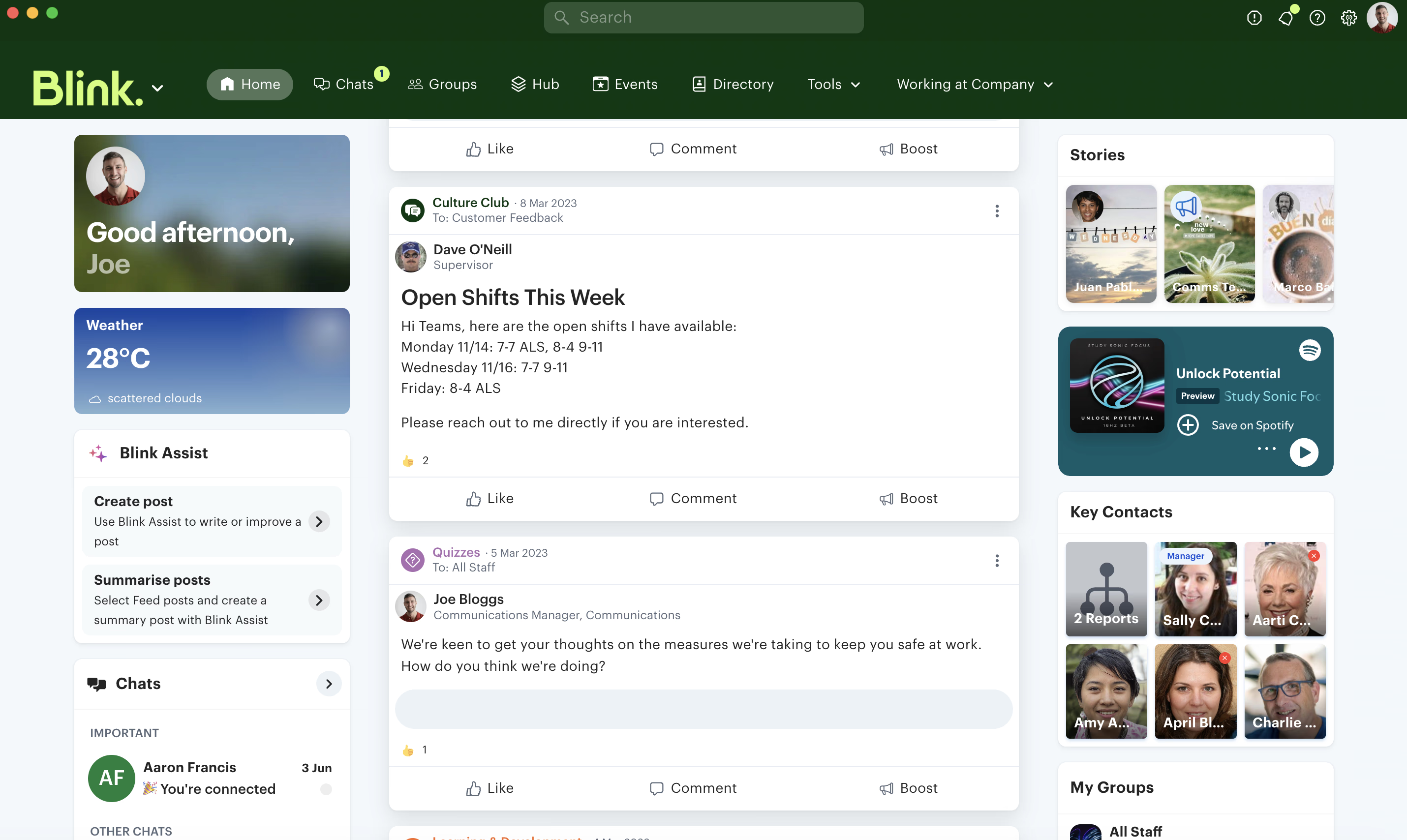
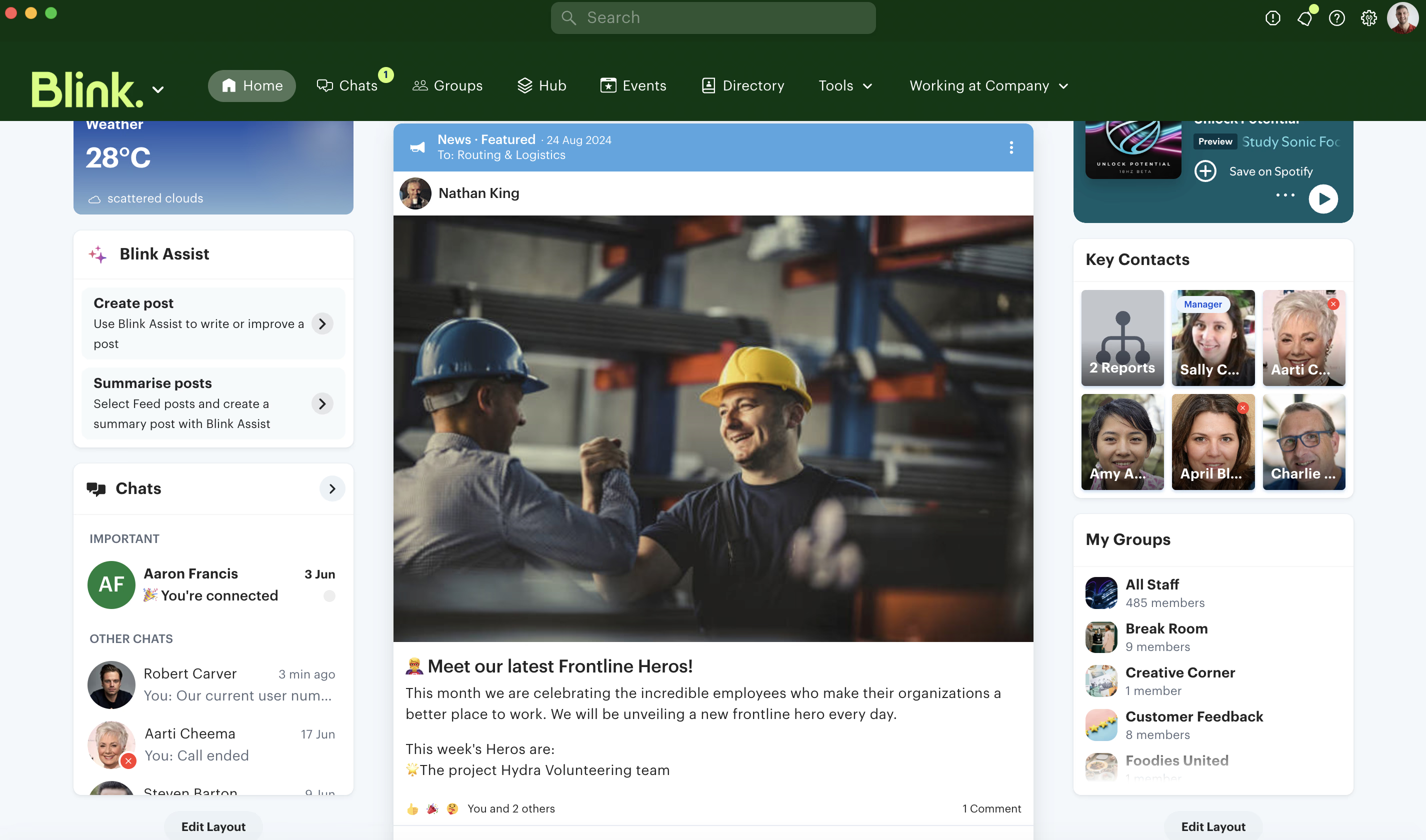
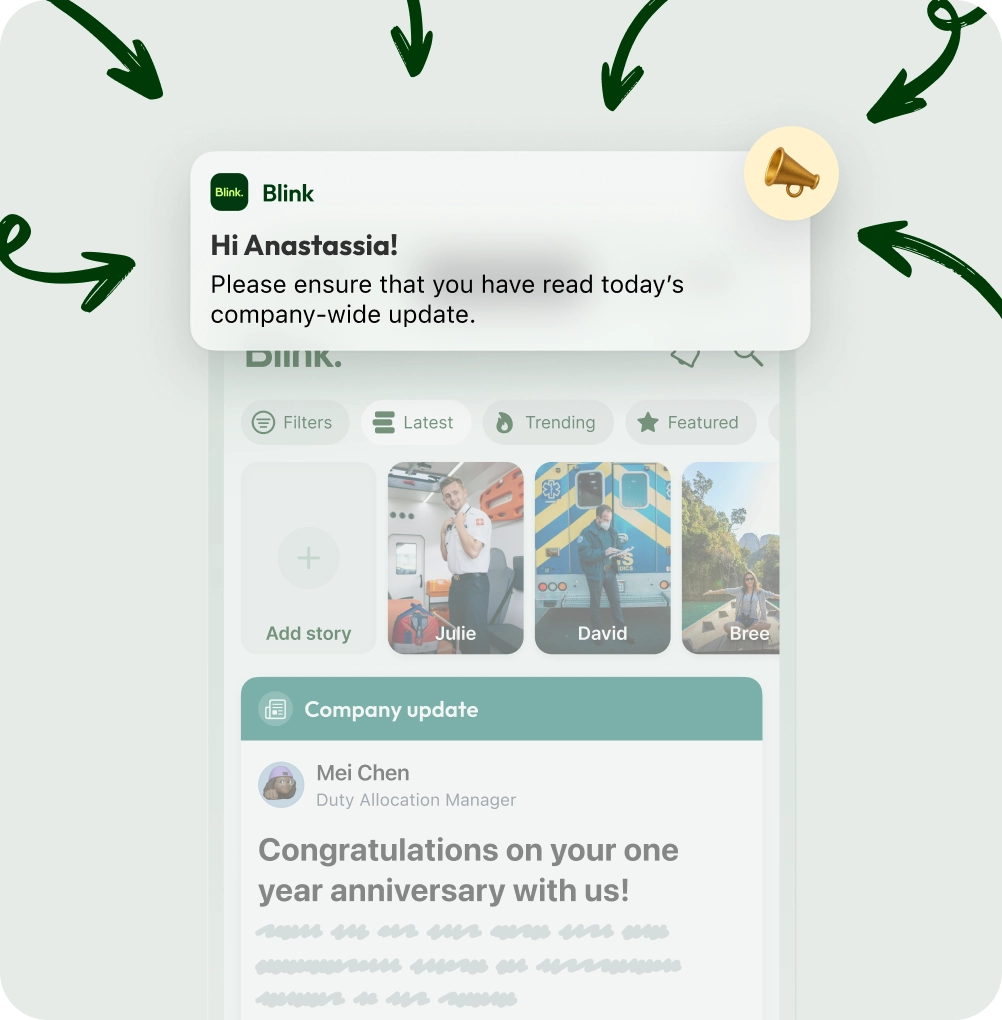
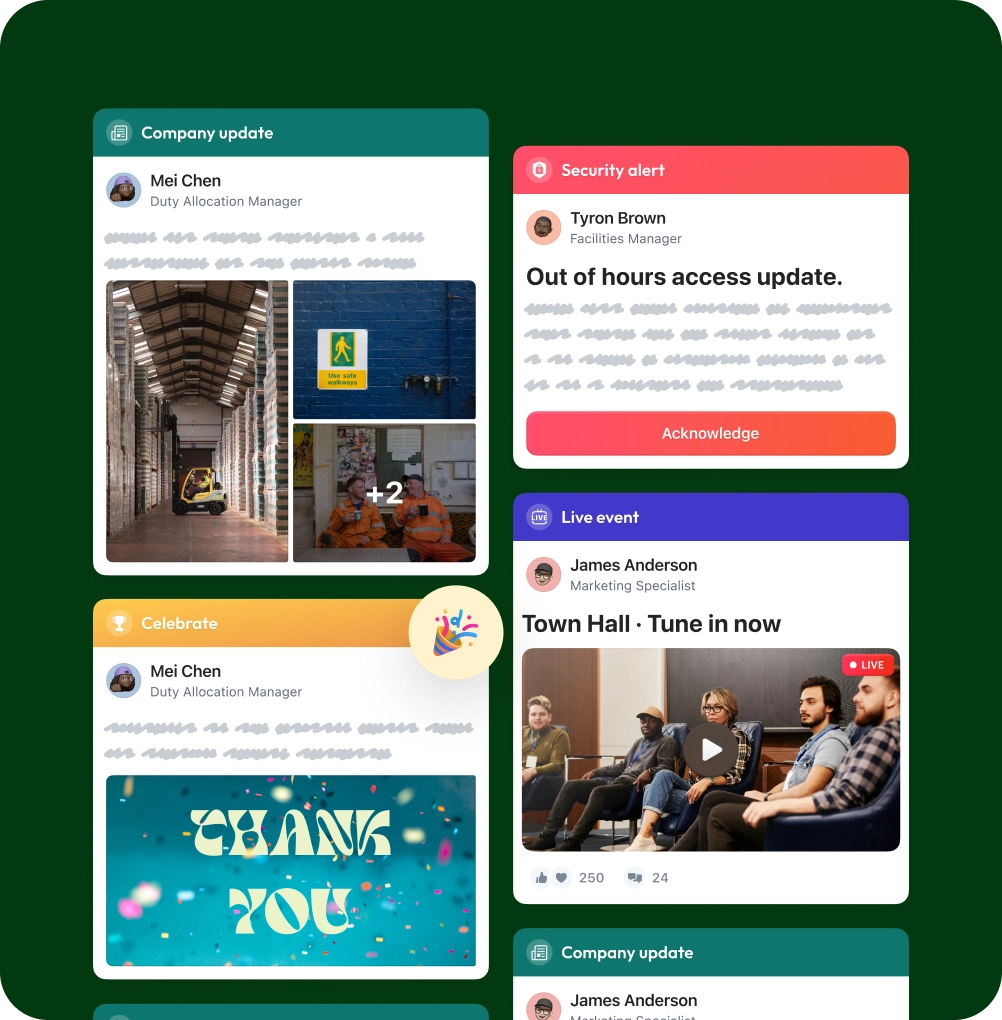
Cut through the noise. Blink puts company news, critical updates, and leadership comms directly into the pockets of your frontline workers. With targeted push notifications and a mobile-first feed, you guarantee your message is seen—without needing corporate email addresses.
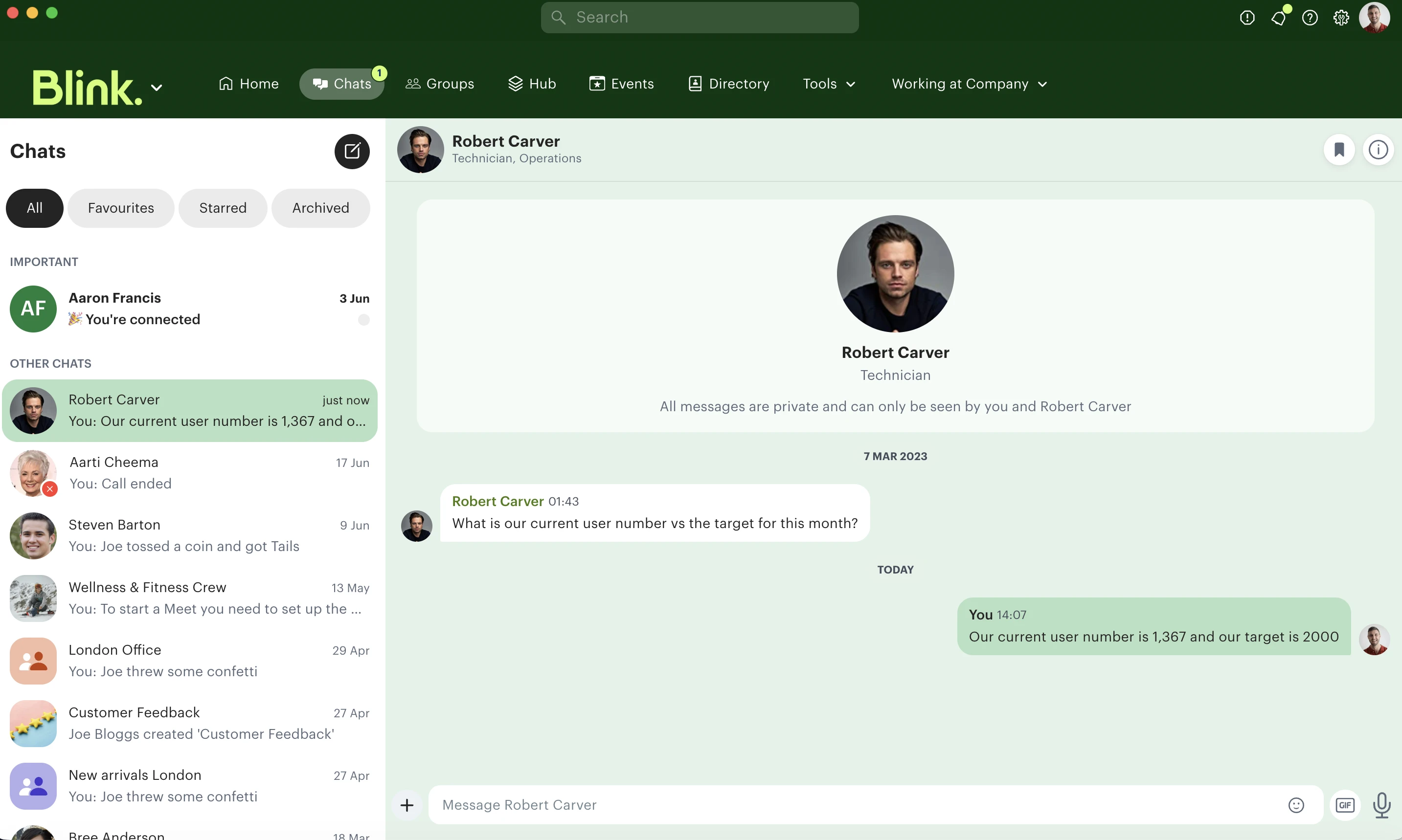
Unregulated WhatsApp chats are a security nightmare and blur work-life boundaries. Blink gives your team a secure, fully compliant chat platform built specifically for work. Protect company data, keep conversations professional, and let your team truly disconnect when they clock out.
Operations move fast. Blink integrates seamlessly with your existing scheduling and HR tools to make shift swaps, daily briefings, and on-the-fly updates effortless. Ensure every worker starts their day aligned and knowing exactly what needs to be done.
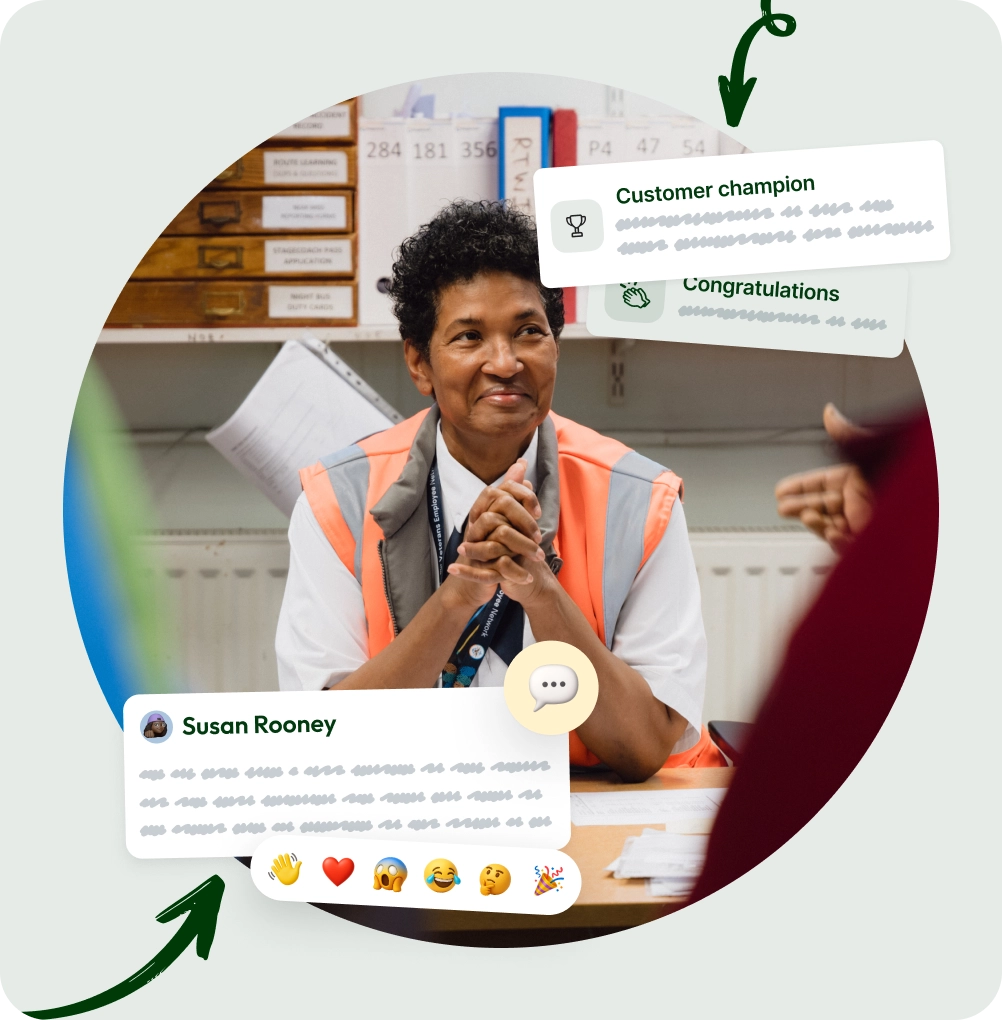
Distributed workers often feel invisible. Blink helps you build a culture of appreciation with instant, peer-to-peer recognition. Let managers and colleagues shout out great work directly on the company feed, turning daily successes into company-wide celebrations that boost retention.
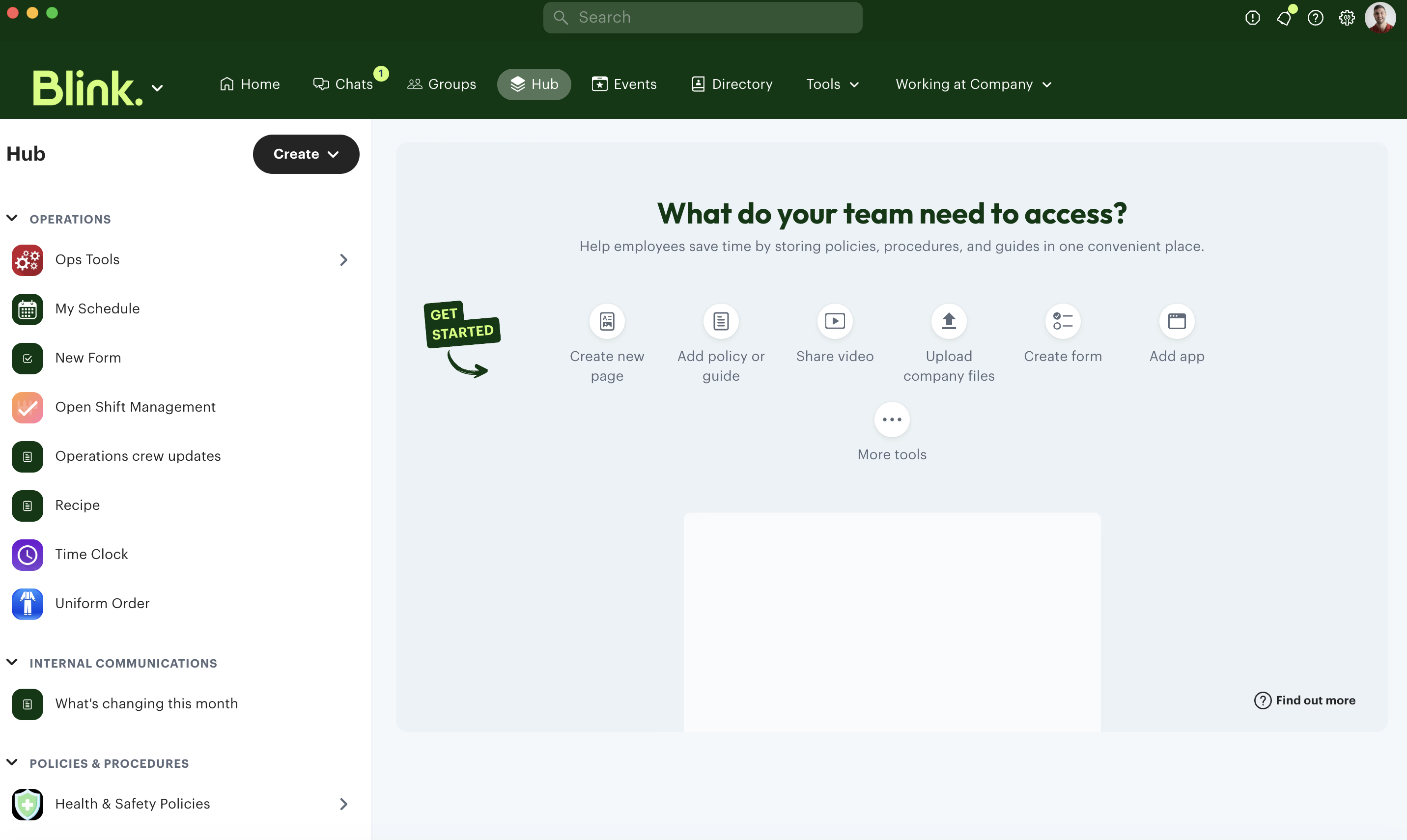
Ditch the paper binders and noticeboards. Blink lets you digitize processes and roll out new policies instantly. Send mandatory reads with digital sign-offs, giving you real-time tracking and reporting to ensure 100% compliance across your entire workforce.
Stop paying for clunky tools your team ignores. Blink brings your scattered HR, payroll, and ops systems into one intuitive, mobile-first app. Give your frontline a frictionless "single pane of glass" experience they’ll actually want to use, driving adoption rates to 90% or higher.
THE GAPS

Where Sona falls short.

Built for the back office

Sona goes deep on forecasting, scheduling, HR, and payroll, the work that happens before the shift starts. Powerful for the people planning the rota. Less built for the people actually working it.

It stops at the manager layer

When the value sits in planning, the people who live in the tool are managers. The floor gets left with an app they rarely open, so head-office messages don't reach the shift.

Comms sit on top, not at the core

Sona bolts communication onto a workforce system. Blink is the reverse: comms, tasks, forms, and recognition in one app your whole team opens daily, connected to the scheduling tool you already run.

One price. Every feature.

From £2.95/user/mo
See pricing
WHAT BLINK COVERS

Ops, Comms, and HR.
One platform, one plan.

Connection
Comms your frontline opens.

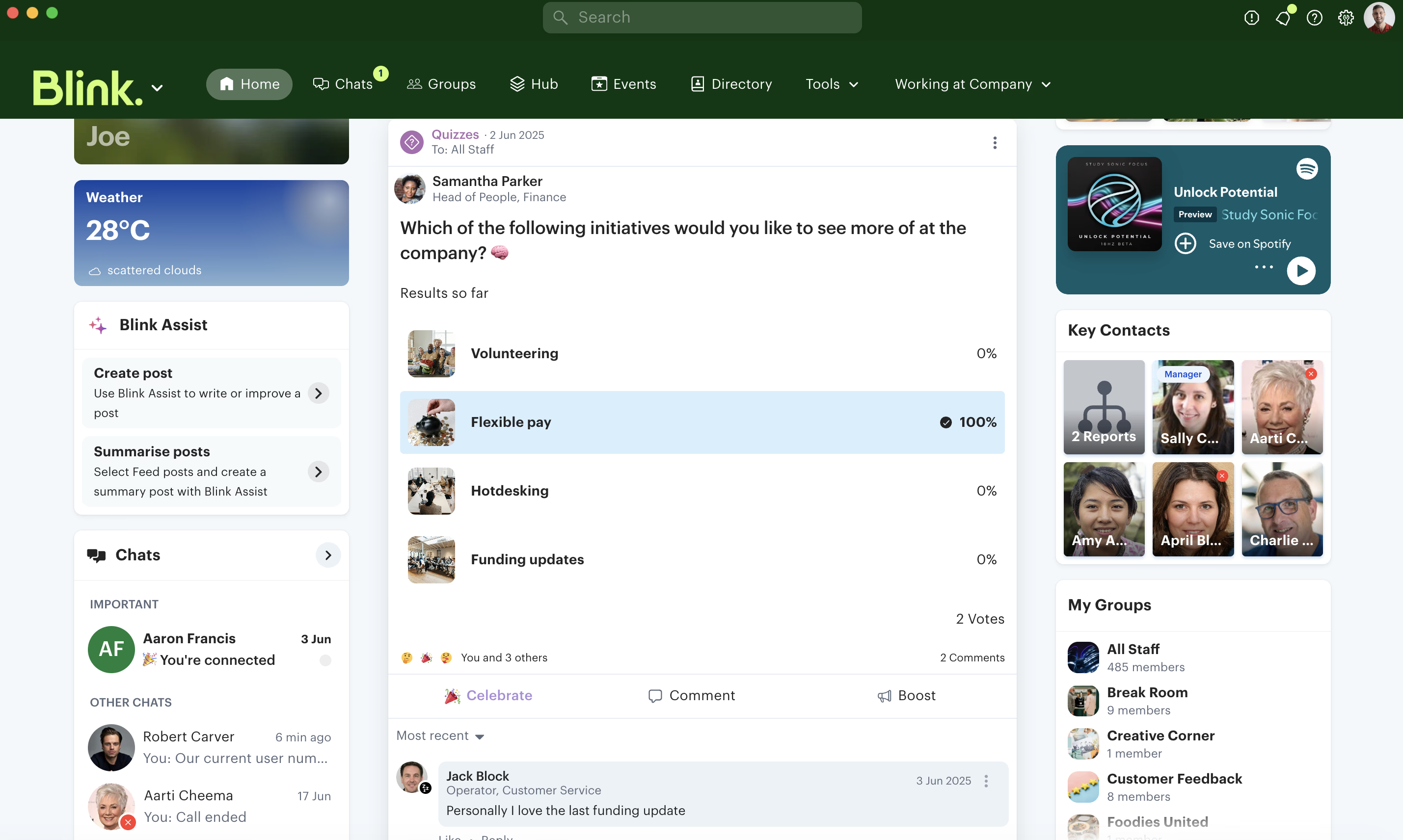
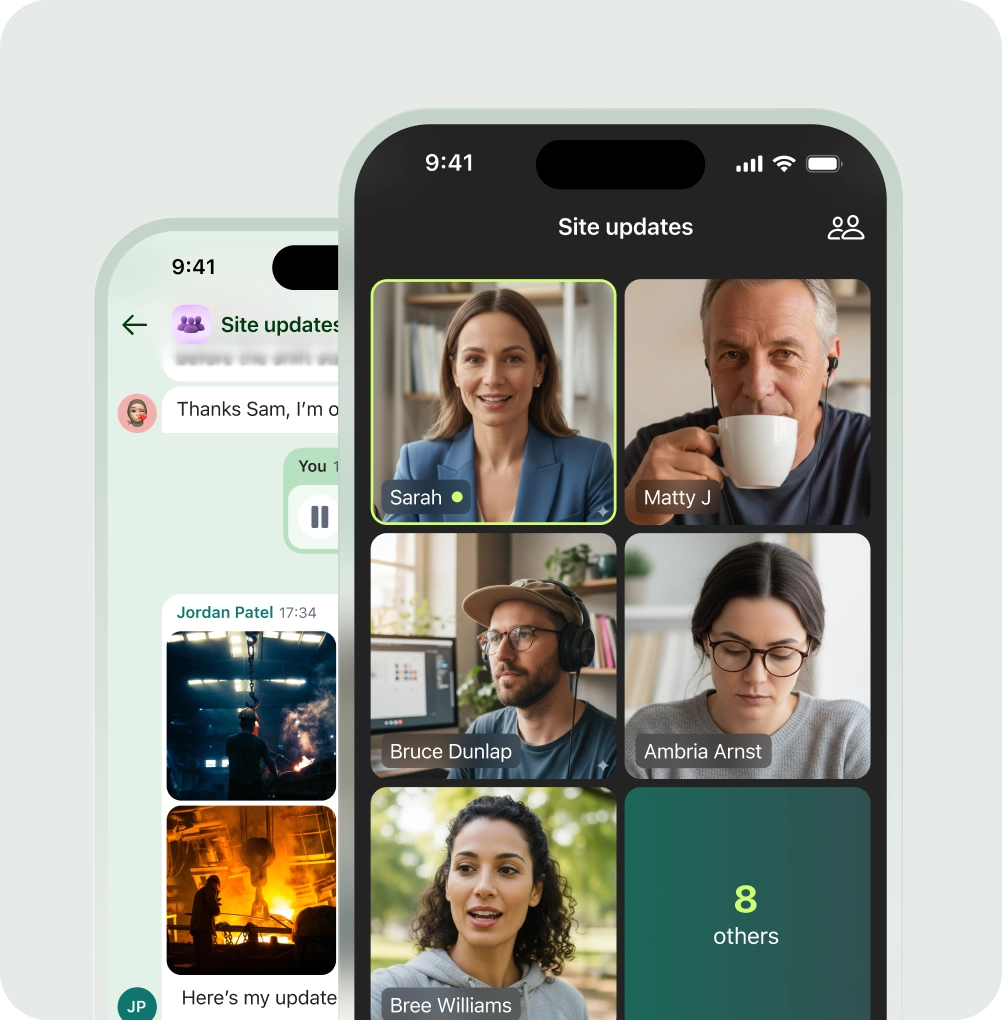
Native news feed, 1:1 and group chat, Stories, polls, video. Designed for the way frontline teams actually communicate.

Engagement
Open rates that decide everything.

Reach analytics, sentiment, daily opens. At Bubala, Blink drives 99% activation and 14 app opens per user, every day.

Knowledge
The Hub for everything frontline teams need.

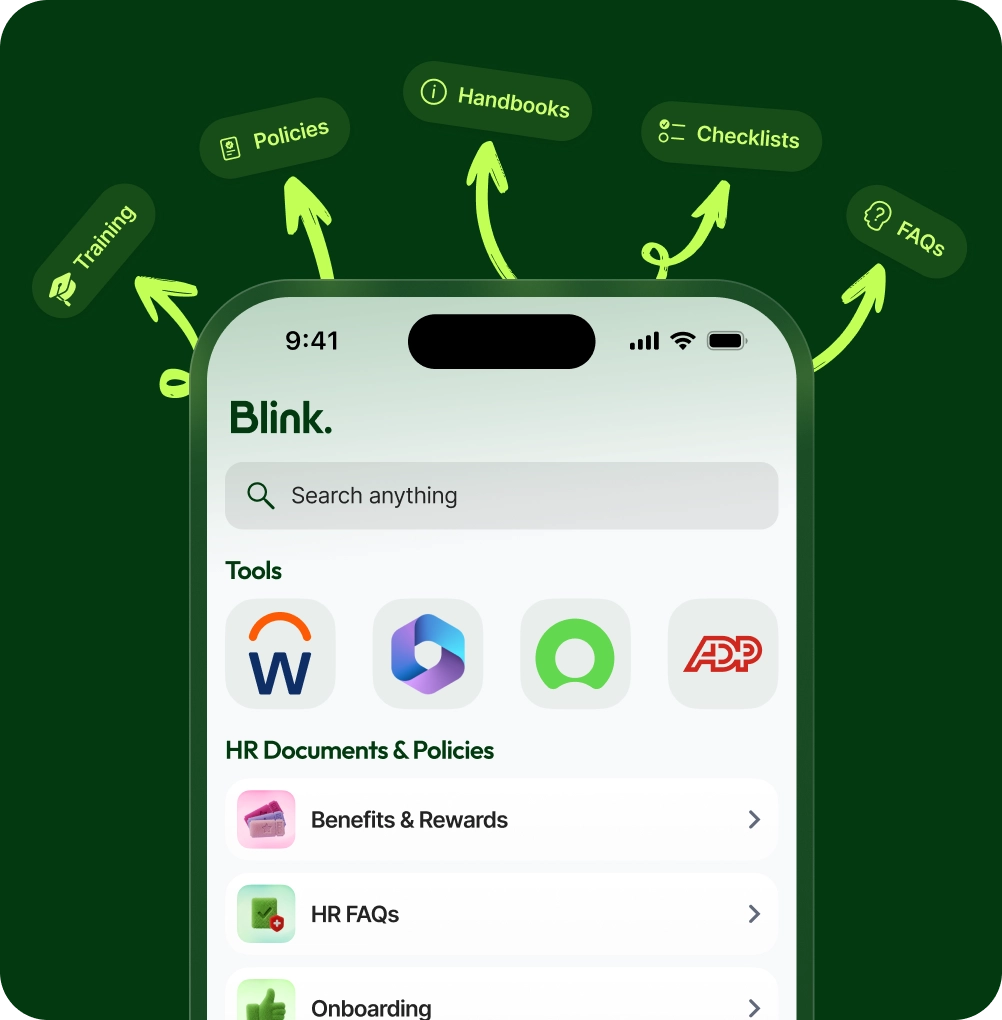
Policies, training, contacts, documents. Searchable, mobile-first, kept current by your team.

HR Ops
Onboarding, forms, and the daily HR work.

Onboarding journeys for new starters, digital forms, and surveys, with custom roles and permissions built in.

Recognition
Kudos that travel further than a thank-you.

Native recognition with reach analytics. See who praised whom, where the energy is, and where it stalls.

Integrations
Plugs into the tools you already run.

Native integrations with Workday, ADP, iTrent, Okta, and Microsoft 365, plus single sign-on and user provisioning.

TWO pRODUCTS. TWO sTRATEGIES.

A deep back-office system and an app your team opens aren't the same thing.

Deep back-office WFM.
Forecasting, scheduling, HR, and payroll in one system. Powerful for the people planning the rota.
Built for planners, not the shift.
The design center is the back office, so the daily experience is aimed at managers, not the floor.
Adoption stops at the manager layer.
When the value sits in planning, the people on shift get an app they rarely open.
 Great with people.
Comms, engagement, and recognition in one app your whole team actually opens, on shift or off. Adoption reaches the floor, not just managers.
Great with tools.
Connects to the scheduling tool you already run, plus the rest of your stack. One app, not 34 logins.
Proven where it counts.
Teams like Bleecker Burger switched from Sona and had 90% of staff active in 4 days.
TWO PRODUCTS. TWO VERY DIFFERENT AUDIENCES

Two capable platforms. One runs the back office. One gets opened on every shift.

WHERE YOUR TEAM LIVES EVERY DAY
Communication
Secure chat, company feed, stories, video, and polls
Comms module on the platform
Engagement
Recognition, rewards, surveys, and sentiment
Engagement tools included
Connects your tools
Hub with single sign-on to your HR, scheduling, and ops tools
Integrates with the WFM stack
WORKFORCE MANAGEMENT
Scheduling and rota
Connects to the scheduling tool you already run
Native scheduling and rota
Forecasting
Via integration
Demand forecasting built in
HR, payroll, and ATS
Enterprise or via integration
Native HR, payroll, and ATS
Last verified July 2026. Product capabilities per sona.ai and joinblink.com. Adoption and scale per joinblink.com/customers.

Frequently asked questions

How does Blink compare to Sona?

Both run frontline ops. Sona goes deeper on back-office workforce management like forecasting, scheduling, and payroll. Blink. is the all-in-one app your whole team actually opens every day for comms, tasks, forms, and recognition. Many teams run Blink. for daily use and connect it to the scheduling tool they already have.

Can we switch from Sona to Blink?

Yes. Teams like Bleecker Burger moved from Sona to Blink. and had 90% of staff active within 4 days. We help you migrate your people and content, and set up in a day.

Does Blink do scheduling, rotas, and pay?

Blink. connects to the scheduling tool you already run, so shifts flow into the same app as everything else. Native scheduling and full workforce management, including pay, sit on our Enterprise plan.

Can I try Blink. before I commit?

Yes. Start a free trial and put the real app in front of your team before you decide. No sales call required to get going.

How much does Blink. cost?

Pricing is public. Core is £2.95 per user per month and Pro is £3.75, both billed annually. Enterprise is custom. You can see the price before you talk to anyone.