Inbox zero has always been the dream. But maybe it’s time to dream bigger.
It once defined workplace comms. But today, email is slow, unengaging, and clunky — as anyone lost in a “reply all” chain will tell you. It’s fallen so far out of favor that, for an increasing number of employees, an inbox isn’t even part of the job anymore.
A new generation of employee experience platforms is rewriting internal communication rules. They’re making inbox zero the default — not because people are managing email better, but because they don’t need email at all.
These platforms are introducing faster, more interactive, and more human channels of communication. And they’re transforming how organizations reach their people. Here’s why email can’t carry your internal comms strategy anymore — and the benefits of building a workplace that thrives without an inbox.
The pitfalls of email for internal communication
So why has email fallen behind the times? Because email communication comes with some serious drawbacks.
It’s overwhelming
The reason people dream of inbox zero? Because their email account is overflowing with messages. Employees receive hundreds of emails every day.
What’s more, there’s no clear message hierarchy. Meeting invites, newsletters, urgent safety updates. They all compete for space in the same inbox. It’s hard for employees to see what’s most important at a glance, so critical messages get lost in the noise.
It’s unengaging
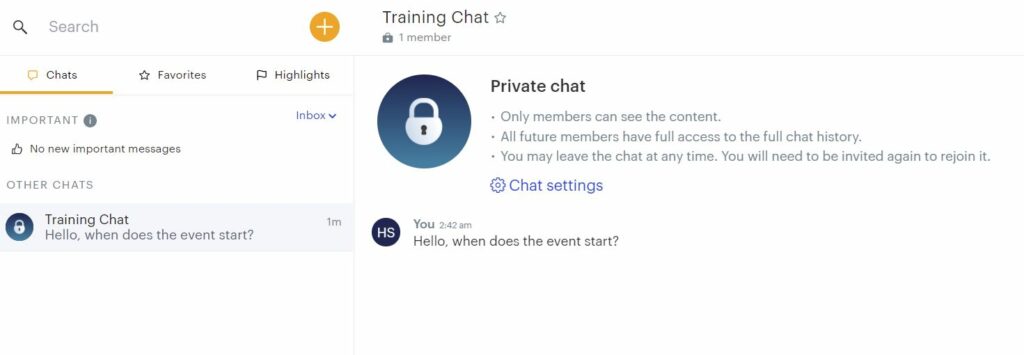
Scroll through a social media feed and you’ll see videos, polls, and interactive content designed to grab and hold your attention. Now think about the last email you read. Did it land with the same impact? Probably not.
In a world of TikTok, WhatsApp, and Instagram, static text feels flat. Emails are competing with these highly visual, highly engaging formats — and they just can’t keep up with audience expectations.
It’s hard to measure
Unless you send all emails via an email platform, it’s impossible to know if employees are actually opening, reading, and acting upon your updates. Are employees skimming? Ignoring? Misunderstanding?
Without robust analytics, it’s impossible to know. It’s then hard to make meaningful improvements to the internal comms experience.
It excludes the frontline
83% of frontline employees don’t have a company email address. Even if they do, logging into a shared portal in the break room is hardly practical.
Email isn’t an effective way to reach frontline teams. So you end up excluding an important segment of your audience — and have to resort to inefficient and unreliable methods of communication, like paper notices and manager phone calls.
{{mobile-main="/image"}}]
The rise of alternative employee communication channels
Email communication has its limits and alternative internal communication tools are on the rise. These platforms are built to make comms faster, more engaging, and more accessible. And some companies are now ditching email entirely, shifting all workplace communication over to these modern tools.
Today, 70% of comms professionals say they use chat tools and 73% say they use an employee app to communicate as an organization. Here’s what employees at those organizations are experiencing:
A mobile-first platform
The best mobile-first communication and intranet platforms provide the same seamless user experience across all devices, including small smartphone screens. Employees can access updates, resources, and workplace tools wherever they are, without needing a corporate email address.
Notifications + social feed
Instead of digging through their inbox, employees get instant notifications when a critical message lands. They can then head to the platform dashboard to view mandatory reads — or scroll the dynamic social feed, where news is organized and personalized by role, team, or tenure.
Channels for every type of communication
Modern platforms give structure to internal communications. Teams, communities, leadership updates, and company resources all have their own clearly defined channels. So employees know exactly where to go for official memos, knowledge sharing, and details of the latest team social.
Two-way communication
Employees have lots of ways to interact with internal content on a modern comms platform. They can comment on a news feed post, respond to a poll or survey, react with emojis. They can even — depending on the permissions you set — create their own community-building content for your internal channels.
Engaging communications
The best employee intranets borrow from the apps your workers already love. Photos, videos, reels, memes, and visually-rich content make updates short, memorable, and enjoyable to consume. Your messages land — and stick — without adding to inbox overload.
{{mobile-stories="/image"}}
The productivity + engagement upside of a zero-email comms approach
With modern internal communications software, it’s possible to adopt a zero-email strategy. And the benefits go far beyond clearing inboxes. Here’s what this approach can do for your organization:
- Faster information flow. No more waiting for employees to log into a shared workstation to view the latest company email. Critical updates reach everyone through push notifications, ensuring your messages are seen and read quickly.
- Clear messaging. The comms experience is personalized to each employee. So people only see what matters to their role, team, or location. This reduces unnecessary noise and helps your messages cut through more effectively.
- A stronger sense of belonging. Email wasn’t built for culture-building. But internal communications platforms create shared spaces, where employees can celebrate wins, recognize peers, and feel part of the bigger picture. The result is greater engagement and loyalty across your workforce.
- Comms people actually want to read. When comms are visual, bite-sized, and interactive, employees are more likely to read them. They engage with your content and return regularly to your comms platform, so it’s easier to land messages.
- Self-service and streamlined workflows. The best internal comms platforms integrate with the other workplace software you already use. Employees can action a message in clicks because all tools and resources are linked.
- Equal access across the workforce. Historically, there’s been a divide between frontline and desk-based employees. With a zero-email approach, you bring everyone together. You welcome frontline employees into company culture, strengthening engagement and retention as a result.
{{mobile-live-stream-poll="/image"}}
So what does the future of internal communications look like?
In a not-too-distant future, we predict that “inbox zero” will no longer be the dream of employees tackling a never-ending influx of emails. Instead, it will be an organizational norm. And moving beyond email to modern communication platforms will open up a new realm of possibilities for workplace connection.
Comms rethink their playbook
With improved internal communication tools on the table, the comms team can quit their reliance on email. They can meet employees where they are — on their smartphones, scrolling through engaging multi-media content — to create communications that work for every employee.
And, with new communication channels at their disposal, they’ll get creative. Employee-generated content, short-form video, and highly visual posts will become the standard. Comms teams will create Insta-worthy internal comms and find new ways to land messages.
HR and IT invest in an integrated solution
Employee experience isn’t just HR’s job — it’s everyone’s. And, because a single, integrated platform can solve for HR, IT, and comms, this is a setup that more organizations will embrace.
Thanks to deep integrations and single sign-on technology, employees can access everything they need from a single, user-friendly dashboard. Checking up on company news? Requesting a shift swap? Completing the next module of their current training course? It’s all right there, at their fingertips — without juggling multiple tabs and logins.
For IT, that means less firefighting and better ROI from existing tools. For HR, it means higher employee engagement and retention. And for comms, it means a direct line to every member of staff — hard-to-reach frontline workers included.
Teams use platform analytics to take comms even further
The future of comms is data-driven. Teams won’t just hit send and hope for the best. They’ll use platform analytics to see what’s working, what’s not, and where to improve.
That means sharper targeting, smarter campaigns, and data-driven comms strategies that reach the right employees at the right time. Teams can also measure how comms impact big business outcomes, like employee engagement, retention, and customer satisfaction.
Ultimately, analytics give comms a seat at the table. Teams move from being messengers to strategic partners, involved from the start in shaping initiatives and able to demonstrate solid comms ROI.
Stop dreaming of inbox zero. Go beyond email in 2026.
Our vision for the future of internal communications may feel a long way from the comms reality you’re living today. But the truth is, many organizations are already a ways down this path.
They’ve recognized that email is a drain on productivity and engagement. And they’re moving beyond it. No more inbox battles. No more missed messages. Instead, they’re embracing modern, mobile-first internal comms that reach every employee, wherever they are.
They’re making use of multi-media content, notifications, and analytics to ensure all employees get the information and connection they need to succeed in the workplace.
{{less-is-more="/callouts"}}





.avif)







.png)