87% adoption
across the workforce
74% active rate
in terms of average monthly usage
13+ Hub opens
per employee, per month

With Blink, CDTA — the transit authority serving New York’s Capital Region — replaced printed notices and bulletin boards with instant, mobile-first updates, reaching 87% of their workforce and closing the gap between the front office and the frontline.
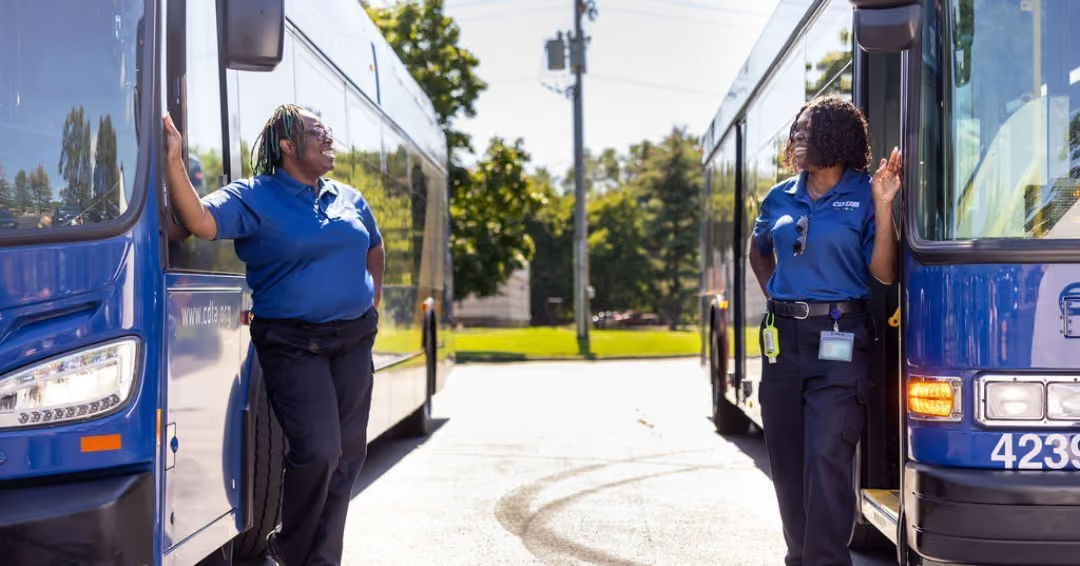
The Capital District Transportation Authority (CDTA) keeps the Albany, New York, region moving. With nearly 800 employees — most of them bus operators, maintenance crew, and other frontline staff — CDTA delivers public transit services across four counties.
Like many transit agencies, CDTA’s workforce is overwhelmingly deskless. Operators start their shifts out on the road, maintenance staff are in garages, and few have access to a company-issued email address. Reaching everyone, consistently and quickly, was a long-standing challenge.
Before Blink, CDTA’s internal communications relied on a patchwork of outdated and labor-intensive methods:
The reach was inconsistent. Many operators never saw the internal screens. Posters could go unnoticed. Word-of-mouth updates were time-consuming and prone to gaps.
While CDTA did have an intranet, it was stale, underused, and unloved. The design was outdated, content wasn’t refreshed, and the experience didn’t match how employees consumed information in 2021. Plans to relaunch it stalled when leadership questioned whether it would ever solve the core issue: delivering timely, relevant updates to a dispersed, mobile workforce.
Employee feedback confirmed the gap. In focus groups and surveys, frontline staff consistently said they felt “out of the loop” — missing operational updates, policy changes, and even fun extras like contests and giveaways. For the executive leadership team, the message was clear: Communication with the frontline had to improve.
In early 2022, CDTA pulled together a cross-functional task force — Communications, IT, HR, Operations — to scope a solution.
IT buy-in was non-negotiable. Any platform had to be secure, sustainable, and integrate with CDTA’s existing systems. The fact that Blink could run independently of CDTA’s internal network was a major plus, alleviating security concerns.
For Communications, the priorities were:
Over a six-month vendor review process, Blink stood out for its user-friendly interface, robust mobile features, and ability to support both daily news and urgent alerts. IT Director Thomas Guggisberg, who had researched the market years earlier, saw that Blink’s maturity and functionality now matched CDTA’s needs.
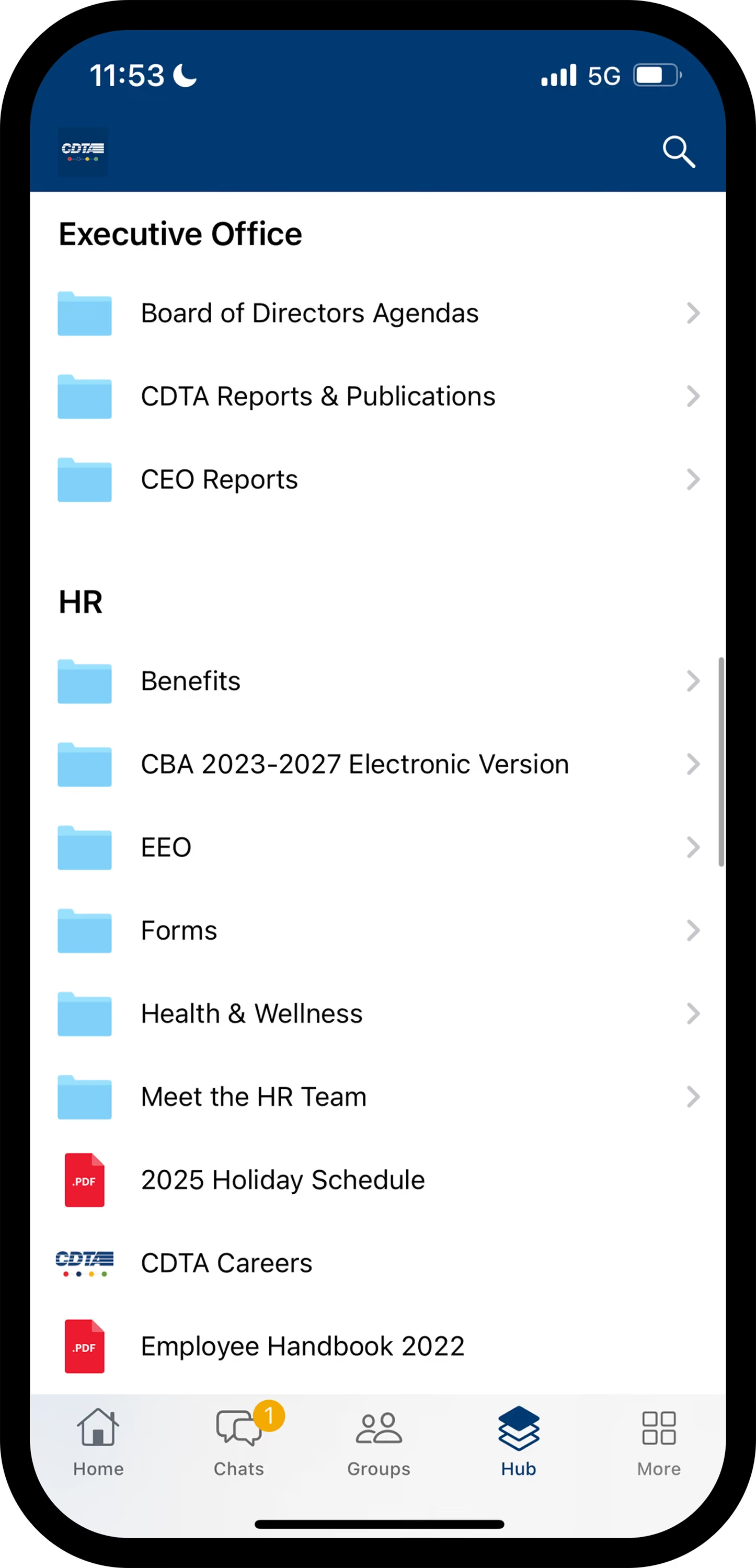
By June 2022, the agency was ready to launch.
“One of the quickest ways to make someone disengaged is to keep them out of the loop. Blink has given us a way to include everyone — instantly.”
Jaime Kazlo - Chief of Staff at CDTA
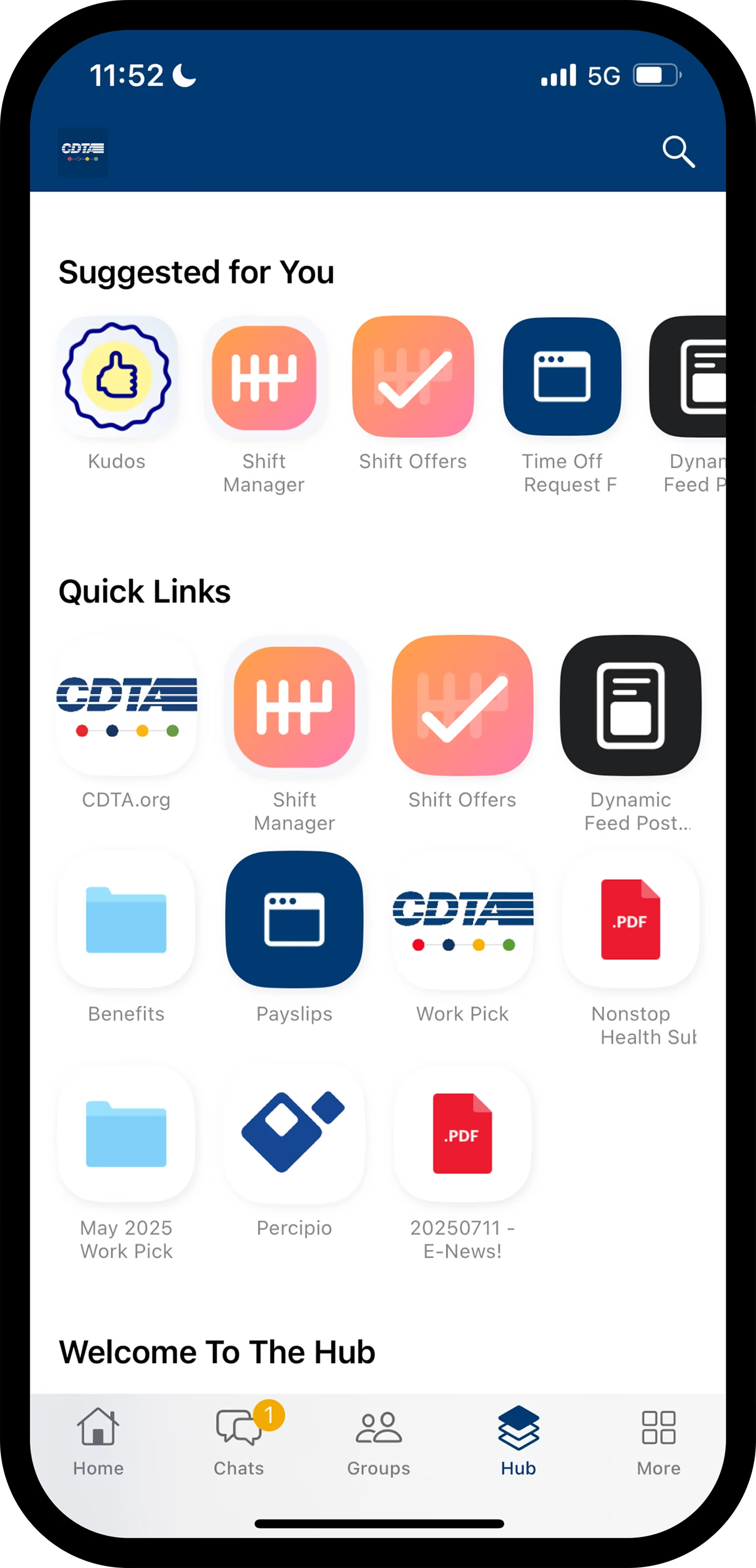
Blink quickly became the digital front door to CDTA for every employee — frontline and office-based alike.
CDTA primed the rollout with a month of internal marketing: posters, digital screens, breakroom visits, and leadership “ambassadors” who could answer questions. The launch itself featured giveaways, ice cream trucks at garages, and contests to encourage downloads. Employees weren’t required to install Blink — but the incentives worked. Within weeks, adoption passed 70%.
Two years on, CDTA maintains:
Communications Manager Emily De Vito curates a steady mix of posts:
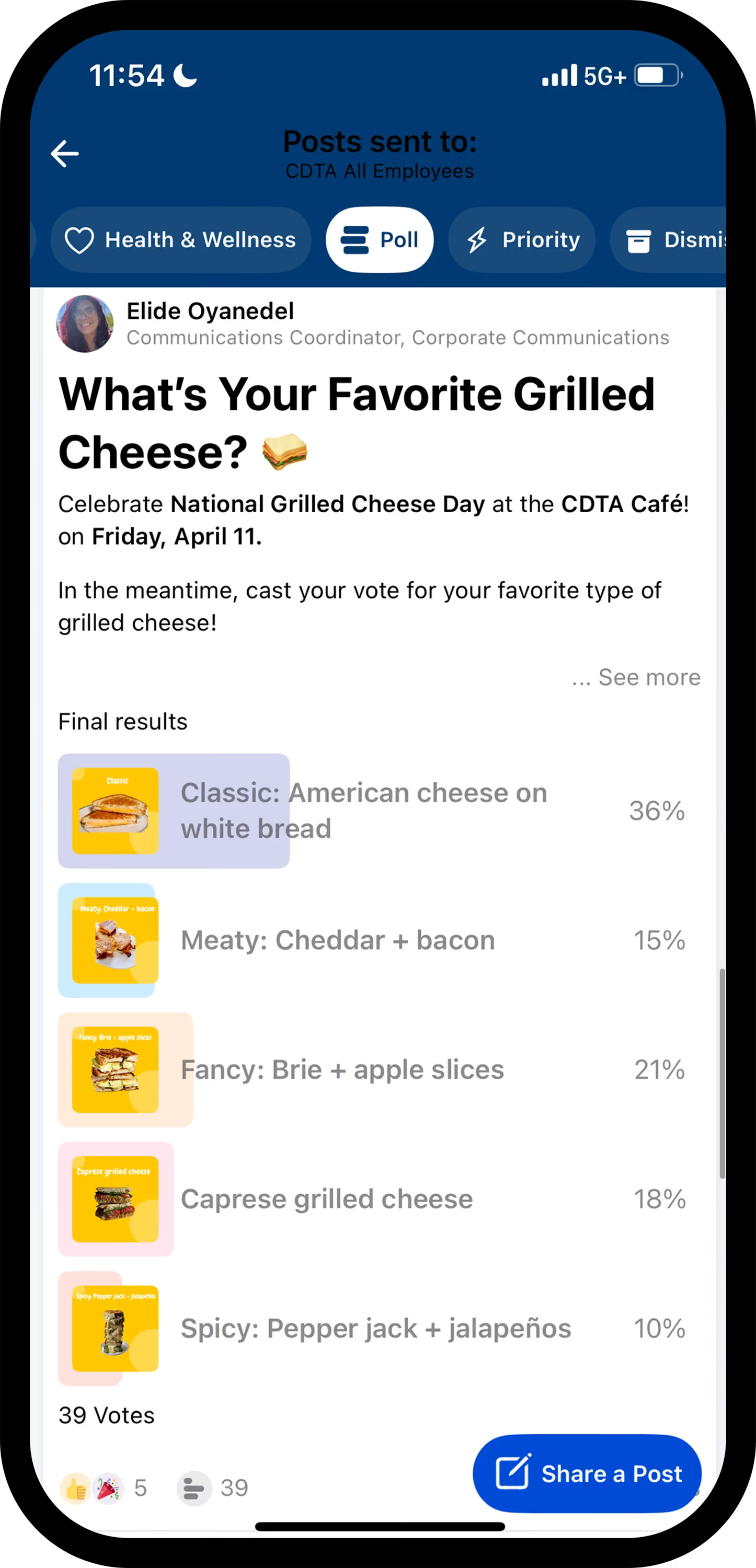
That balance keeps the feed lively without sacrificing essential information.
From day one, CDTA embraced comments and conversation. Employees use Blink to ask questions, clarify rumors, and share feedback. Leadership responds publicly or, when appropriate, moves discussions into private chat. This transparency, backed by CEO support, has helped foster a culture of trust — even in a unionized environment where skepticism about “company apps” can be high.
Beyond communication, Blink has streamlined workflows. For example, CDTA recently introduced Channels to connect their Paratransit team and dispatchers. Before Blink, a change in a rider’s pickup location required multiple phone calls. Now, a quick Channel message ensures everyone — dispatcher and driver — sees and confirms the update in real time.
Since April, monthly Channel messages have grown from about 300 to over 1,800 — a 500% increase in streamlined, trackable communications.
With Blink firmly embedded in daily operations, CDTA is exploring deeper integrations to further reduce friction for frontline employees. Upcoming priorities include:
“We don’t have to tell people to use Blink anymore. They want to — because it makes their jobs easier.”
Emily De Vito - Communications Manager at CDTA